


Beirut
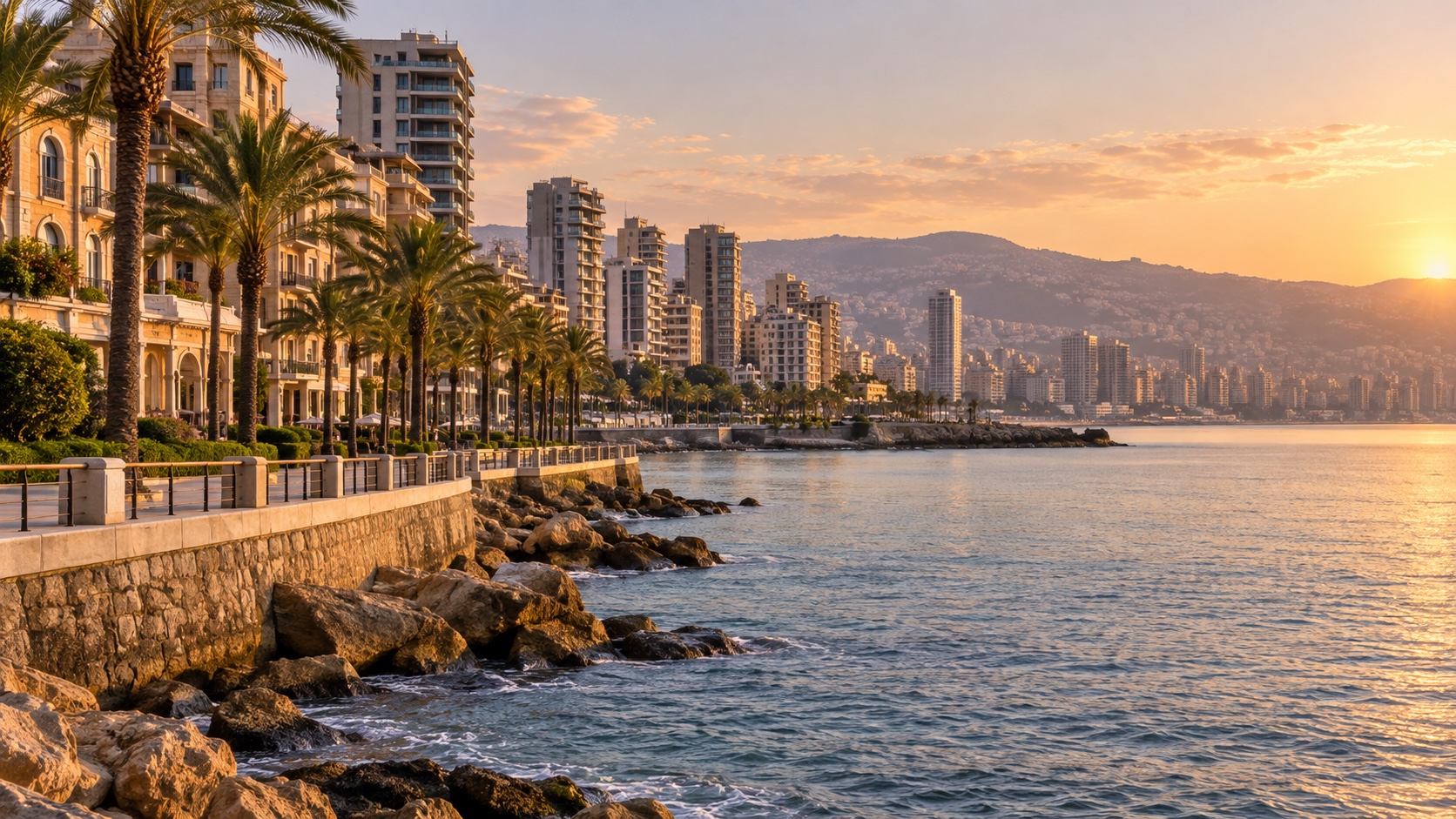
Beirut, Lebanon with the Sea in View
Beirut is a city of appetite, conversation, and contrast. The Mediterranean sits beside busy streets, old apartment buildings, modern galleries, family restaurants, and neighbourhoods that each carry a different mood. It is a place where a long lunch can become the centre of the day and a short drive can change the landscape entirely.
Three nights is a useful introduction, with four or five better for travellers who want the city, a food-led itinerary, and one or two excursions beyond it. Beirut asks for curiosity and flexibility. Its character is found in the details, not in a neat list of sights.
Know before you go
- Fly into: Beirut-Rafic Hariri International Airport is the usual gateway when flight schedules allow. Arrange a private airport transfer in advance.
- Trip length: Three nights for a first look at the city. Add one or two nights for Byblos, the mountains, the Beqaa Valley, or a deeper food itinerary.
- Best months: April through June and September through November are comfortable for combining city walks with time outside Beirut. July and August are hotter and busier by the sea.
- Getting around: Use a private driver for the city’s wider route and day trips. Traffic, road conditions, and local access can change, so allow margin in the schedule.
- Money: Payment arrangements in Lebanon can vary. Carry a practical amount of local cash and ask for current guidance on cards, exchange, and tips before departure.
- What to reserve: A well-located hotel, airport transfer, private driver, restaurant tables, and any day trip or winery visit that matters to the route.
Choose the neighbourhood before the hotel
Beirut rewards a hotel decision made around the days you want. Gemmayzeh and Mar Mikhael suit travellers drawn to restaurants, bars, galleries, and old buildings. The waterfront gives a broader view and a different evening pace. Wherever you stay, make sure the group can move easily without spending every day in traffic.
Let food lead the route
Beirut is one of the region’s great eating cities. Mezze, grilled meats, bread, vegetables, sweets, seafood, and strong coffee can carry an entire itinerary. Reserve the restaurants that matter, then ask a trusted local for the smaller places where the meal is about generosity and habit rather than presentation.
See the city in layers
The Corniche, central Beirut, old stairways, design spaces, and the city’s surviving historic buildings each reveal something different. A private guide is useful when the group wants to understand the city’s modern history without losing time for wandering, shopping, and sitting somewhere good.
Use the coast and mountains
Byblos, the Chouf, the Beqaa Valley, and the mountain towns can all give the trip a wider Lebanese frame. Choose one direction rather than trying to cover the whole country in a day. The best excursion includes a meal, a landscape, and enough time to notice the road between them.
Keep the itinerary flexible
Beirut is a city that benefits from local advice close to the date of travel. Opening hours, traffic, restaurant schedules, and road conditions can shift. Build the route with a trusted local partner and leave enough room for the city to change your plans.
Planning brief
Beirut suits food travellers, design lovers, history enthusiasts, repeat visitors to the Middle East, and anyone who prefers a city with energy and texture over a tidy sightseeing list.
- Best suited to: couples, friends, food travellers, photographers, and guests who want a city base with strong day-trip possibilities.
- Settle early: neighbourhood, hotel, airport transfer, driver, restaurant priorities, and current local travel guidance before the trip.
- Useful pairing: Byblos, the Chouf, the Beqaa Valley, Cyprus, Jordan, or a wider Lebanon itinerary.
Leave room for the conversation
Beirut is best planned with a strong outline and room for local judgement. Tell us what the group wants to eat, see, understand, and taste beyond the city, and we will build a route that holds together.
Our luxury leisure travel planning can arrange hotels, drivers, guides, restaurants, day trips, and the wider Lebanon journey.
How many nights should you spend in Beirut?
Three nights is a useful introduction, while four or five nights gives you time for the city, a food-led itinerary, and one or two excursions beyond Beirut. The right length depends on how much of Lebanon belongs in the same trip.
What is Beirut best known for?
Beirut is known for its Mediterranean setting, layered history, strong food culture, galleries, neighbourhood life, and long evenings around the table. It is a city to experience through a combination of places rather than one headline sight.
Can you take day trips from Beirut?
Yes. Byblos, the Chouf, the Beqaa Valley, and mountain towns can all fit into a wider route. A private driver is the most practical option, with the day shaped around one area rather than too many distant stops.
What should you know before visiting Beirut?
Build in flexibility and ask for current local guidance on transport, opening hours, payment, and road conditions. A trusted local partner can make the trip smoother while keeping the itinerary open to the city’s natural rhythm.
CONTINUE EXPLORING