

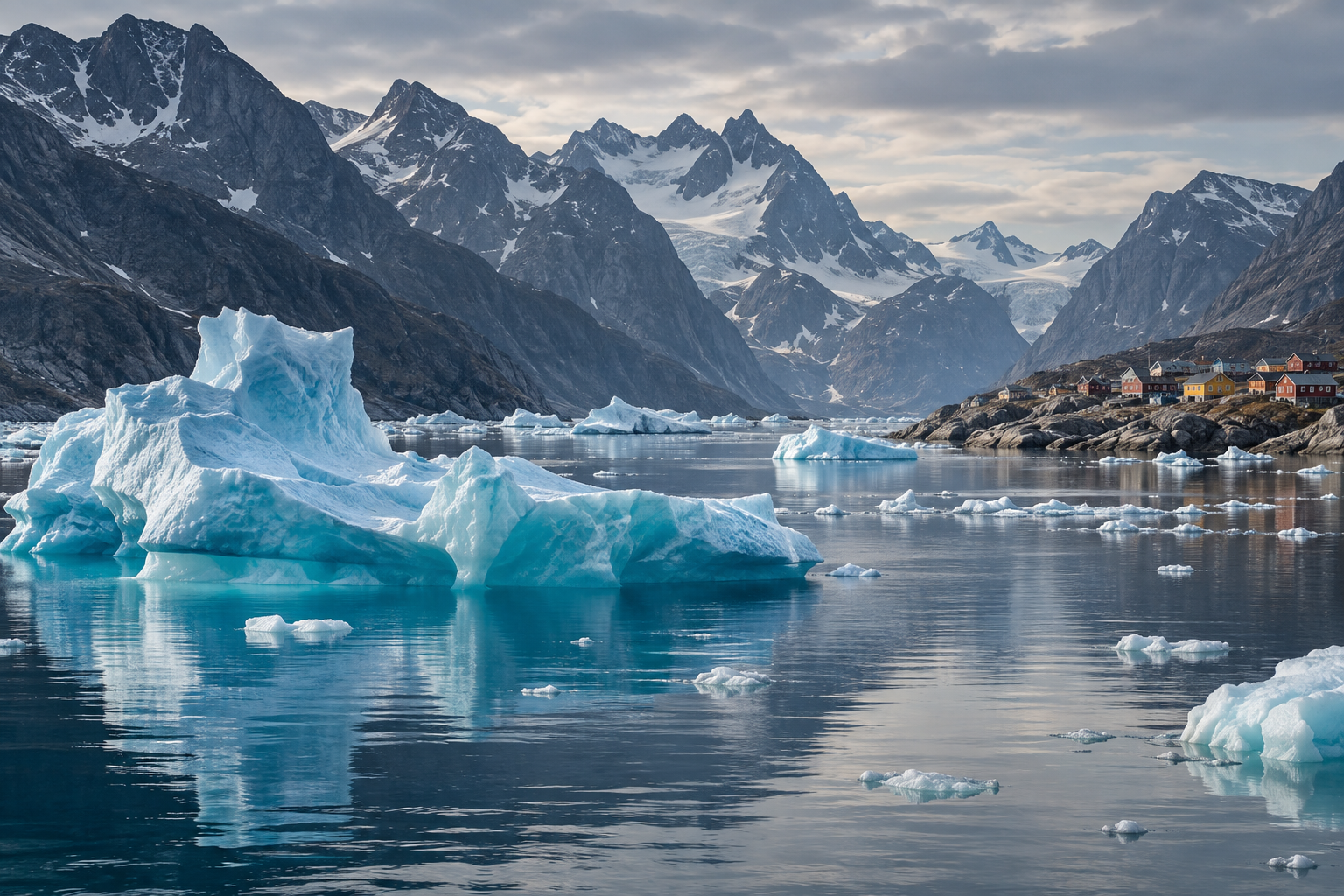

Greenland
Greenland asks travelers to trade the idea of a conventional road trip for a journey between coastal communities. Ice fjords, boats, dog sleds, local food, and long light make each region distinct. The right itinerary keeps the logistics simple and gives weather enough room to be part of the story.
Know before you go
- Fly into: Copenhagen or Reykjavik, then connect through Greenland's domestic network. The best gateway depends on the towns and season in the itinerary.
- Trip length: Seven to ten nights for two bases, with more time needed for a coastal sailing or a deeper northbound route.
- Best months: Summer brings open water, hiking, and long light. Winter offers snow, dog sledding, and the possibility of northern lights, with different access and weather considerations.
- Getting around: Domestic flights, coastal boats, and locally guided excursions. There are no roads connecting the main towns.
- What to reserve: Flexible flights, a well-located stay, local guides, boat excursions, and a realistic plan for weather changes.
- Plan around: Limited connections, luggage, changing sea and weather conditions, and the importance of engaging local operators and communities.
Begin with Ilulissat for the ice
Ilulissat gives the first-time visitor a clear sense of Greenland's scale. The Icefjord, boat trips, walks above the water, and local museums create a strong opening chapter. Give it at least three nights so a weather change does not erase the central experience.
Let communities lead the route
Nuuk offers a more urban and contemporary view of Greenland, while smaller coastal towns reveal different rhythms of fishing, craft, and family life. Local guides add the context that an iceberg alone cannot provide, and help visitors move through communities with care.
Choose the season by activity
Summer is about boats, hiking, whales, and long evenings. Winter brings snow travel, dog sledding, and dark skies. Neither is the single correct season, but the same itinerary should not be expected to work in both.
Keep the logistics humane
A missed connection can affect more than one day, especially outside the main hubs. Build buffers, avoid an overfull town-to-town schedule, and choose accommodations and operators who can help when weather alters the plan.
Who this trip suits
Experienced travelers, photographers and families with older children, and anyone drawn to Arctic culture and landscapes.
When another plan may fit better
If you need a fixed schedule, weather and limited connections will test it, so build in buffers. If you are traveling light on time, two bases is the limit. And if you want an easier first taste of the north, Iceland is the gentler place to start.
Planning brief
The shape we recommend: seven to ten nights for two bases, with more time needed for a coastal sailing or a deeper northbound route.
- Settle early: season, domestic connections, town combination, and how much time the group wants on boats or trails.
- Useful pairing: Iceland, Svalbard, the Faroe Islands, or a wider Nordic journey.
Make the route yours
Tell us whether Greenland should be built around ice, wildlife, local life, dog sledding, hiking, or the quiet drama of the Arctic coast.
Our luxury leisure travel planning can shape the stays, guides, transfers, and pacing around the way you want to travel.
How many nights do you need in Greenland?
Seven to ten nights works for two bases such as Ilulissat and Nuuk. Add nights when the journey includes coastal sailing or more remote communities, because weather buffers are essential.
Is summer or winter better for Greenland?
Summer is strongest for open-water excursions, hiking, and long light. Winter is the season for dog sledding, snow travel, and northern lights. Choose based on the experience rather than trying to combine both in one short trip.
Can you drive between Greenland's towns?
No. The towns are not connected by roads, so travel is by plane, boat, or locally guided transport. That makes a simple route and flexible connections especially important.
How should visitors approach Greenlandic culture?
Choose local guides and community-based experiences, listen before photographing, and treat cultural traditions as living parts of daily life rather than spectacles. Good operators make that approach natural.
CONTINUE EXPLORING