


Kigali
Kigali Is Rwanda’s Most Effortless First Impression
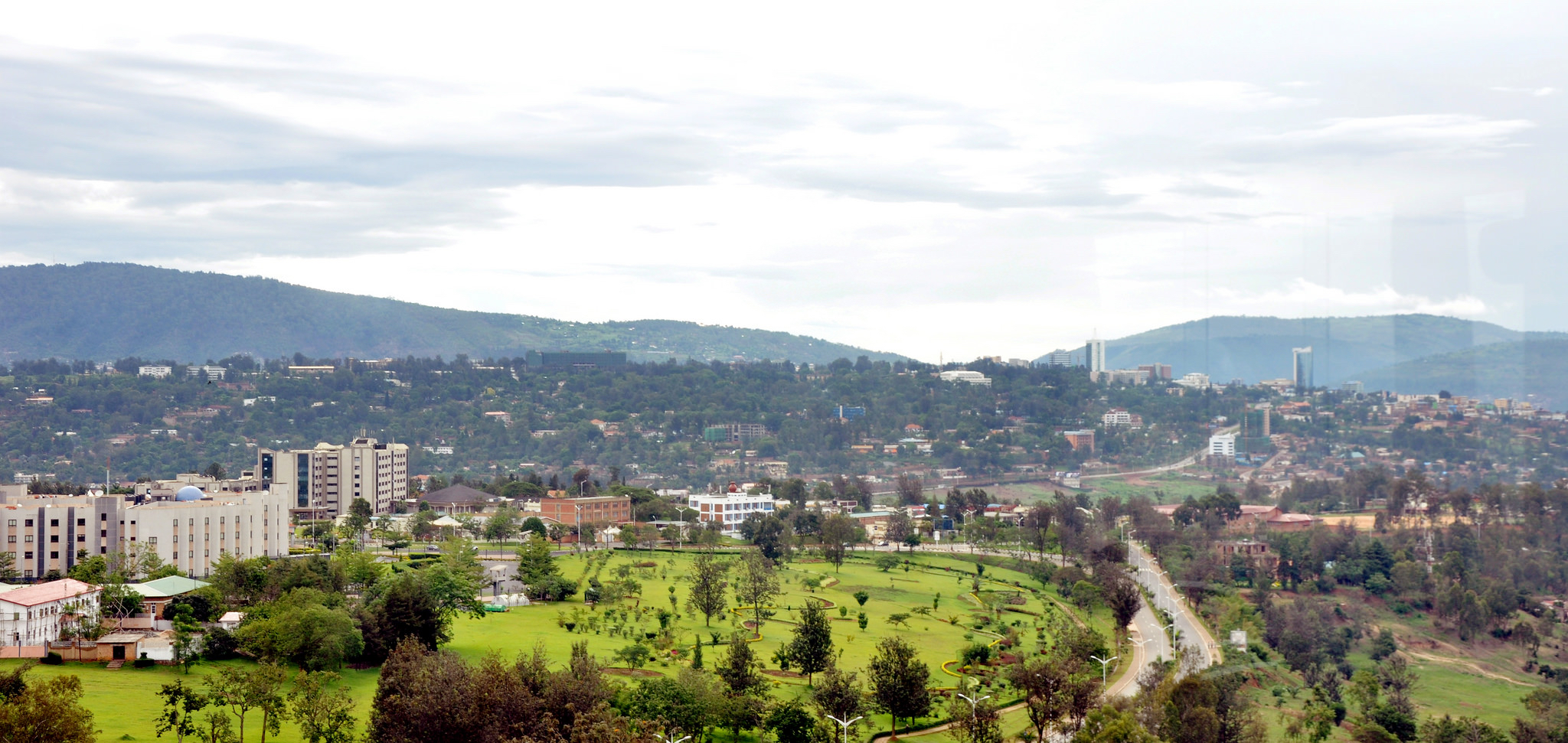
Rwanda’s capital is a city of green hills, generous light, and carefully chosen details. It feels composed without being quiet: a morning begins with excellent coffee, an afternoon can move from contemporary art to a wetland walk, and dinner often ends with a view over the city’s ridgelines. For travelers arriving in Rwanda for gorilla trekking, safari, or a longer East African journey, the capital is more than an overnight stop. It is the place to settle into the country’s pace.
Guide updated September 11, 2026.
Hero image: Kigali skyline by Honeybarger via Wikimedia Commons, CC BY-SA 4.0.

Know Before You Go
- Plan for hills: The city is spread across ridges and valleys, so two places that look close on a map can take longer by car. Group each day by neighborhood and leave room for traffic, weather, and unhurried meals.
- Check entry rules before departure: Rwanda’s immigration service says visitor visas can be obtained online or on arrival at Kigali International Airport and land borders. A single-entry visitor visa is listed at US$50 and a multiple-entry visa at US$70; your passport or travel document should be valid for at least six months. Confirm the current rule for your nationality before flying.
- Bring a light layer: The city’s elevation keeps days comfortable, but mornings, evenings, and rain can feel cool. Pack breathable clothes, a light waterproof layer, and shoes that are comfortable on slopes and uneven paths.
- Keep one flexible afternoon: The city’s best moments are often low-key: a gallery visit that runs long, a coffee tasting, or a walk through a restored wetland. Avoid filling every hour before you know the city’s rhythm.
- Approach the memorial with time and respect: The Kigali Genocide Memorial is a place of remembrance and learning. Allow space for the visit, follow its guidance, and treat it as a meaningful part of understanding Rwanda’s recent history.
- Carry practical essentials: Have small amounts of local currency for markets and independent cafés, use registered transport, and keep the official Rwanda immigration guidance bookmarked for last-minute checks.
For current city updates, attractions, and practical information, start with the official Visit Rwanda Kigali guide and the City of Kigali visitor guide.
Let the first day stay beautifully simple
The smartest Kigali arrival is deliberately light. Check in, take a short drive through the hills, and choose one strong view for sunset rather than attempting a checklist. A stay in or near the central districts makes it easy to reach restaurants, galleries, and the city’s main cultural sites without spending the whole day in transit.
For a polished stay, look for a property with a calm garden or terrace, a reliable driver desk, and staff who understand the next leg of your Rwanda itinerary. Kigali rewards service that is quietly competent: airport timing, restaurant reservations, and a well-planned transfer matter more than an over-programmed hotel experience.
Build the city around art, coffee, and craft
The capital’s creative energy is one of its pleasures. The Inema Art Centre is a natural first stop for contemporary Rwandan work, with painting, sculpture, music, and dance creating a lively counterpoint to the city’s polished public spaces. Add a smaller gallery or studio visit when possible, and leave room to buy something made in Rwanda rather than treating the arts scene as a quick photo stop.
Coffee deserves equal billing. Rwanda’s coffee culture is connected to the country’s network of small growers, and the city is a good place to taste that story without leaving the city. Ask the hotel or a trusted local guide to arrange a serious coffee experience, then follow it with a slow lunch in Kimihurura or another neighborhood known for independent dining. The best day has a little structure and several open edges.
Use green space to understand Kigali
The capital’s gardens and restored wetlands make the city feel unusually spacious. Nyandungu Eco Park is designed for walking, cycling, birdwatching, and a slower look at the city’s urban ecology. Umusambi Village offers another thoughtful pause, with a restored wetland sanctuary for grey crowned cranes. These are not filler activities between major sights; they explain why Kigali feels so different from a conventional capital-city break.
The car-free zone and Imbuga City Walk are useful for an easy first walk, especially when you want to see the city at street level. Go in the morning or late afternoon, when the light is softer and the pace invites you to notice the details: immaculate public spaces, small cafés, design shops, and the way the hills keep appearing beyond the next intersection.
Give the history its proper place
The city’s museums and memorials should be approached with care and enough time. The Kigali Genocide Memorial at Gisozi is a place of remembrance and education about the 1994 Genocide against the Tutsi. It belongs in a thoughtful itinerary, but not as a rushed attraction between lunch and shopping. Pair it with a quiet afternoon and take the memorial’s visitor guidance seriously.
The Rwanda Art Museum, in Kanombe, offers a different lens on the country’s creative life, while the city’s markets and Made in Rwanda spaces make the everyday culture feel immediate. Choose one cultural anchor each day, then let the rest of the schedule breathe.
Make Kigali the beginning of a larger Rwanda journey
Two or three nights in Kigali is enough to understand the city and create a graceful transition into the countryside. From there, travelers can continue toward the Volcanoes region for primate experiences, Lake Kivu for water and landscape, or Nyungwe for forest and tea. The capital’s central position and international airport make it an easy first or final chapter, but the city is worth treating as a destination in its own right.
The most rewarding route protects the contrast: a composed city stay, a few deeply considered experiences, and then the open landscape beyond the hills. Justkeeps Travel’s leisure planning can coordinate the hotels, private drivers, guides, permits, and timing so Kigali feels like part of the story rather than a transfer point.
Planning brief
Plan Kigali as a two- or three-night opening or closing stay, keeping the first day light and leaving room for one cultural anchor, one green-space walk, and a slower meal. Pair the city with the Volcanoes region, Lake Kivu, or Nyungwe when the wider Rwanda route calls for it, and keep the transfer days flexible.
- Build the first day gently: Start with the hotel, a short neighborhood drive, coffee, and one well-chosen cultural visit rather than a full checklist.
- Group experiences by district: Kigali’s hills make thoughtful routing more valuable than a long list of stops.
- Protect the transition: Confirm the driver, permits, and weather-sensitive plans before moving on to the next region.
Who Kigali suits
This city is especially good for travelers who care about design, food, art, thoughtful service, and a sense of place. It suits couples, first-time visitors to Rwanda, families who want a gentle introduction to East Africa, and experienced travelers looking for a refined pause before a more active itinerary. It is less suited to anyone who wants a dense, late-night city with constant entertainment on every block. Its appeal is its balance: modern but human, purposeful but easygoing.
Leave with a city still unfolding
This is not a destination that needs to prove itself loudly. Give it a few days, a good driver, one meaningful museum visit, excellent coffee, and time to look out over the hills. The city’s confidence is in the details, and the details are what make it such a compelling beginning to Rwanda.
How many nights should you stay in Kigali?
Two or three nights is a strong first stay. That gives you time for a thoughtful arrival, one cultural day, a green-space walk, and an unhurried transition into the rest of Rwanda.
What is the best time to visit Kigali?
Kigali is comfortable year-round, but the longer drier season around June through August is especially appealing for walking and combining the city with outdoor experiences. Weather varies across Rwanda, so check current conditions for your wider route before confirming activities.
Do travelers need a visa for Kigali?
Rwanda’s immigration service says visitor visas can be requested online or on arrival at Kigali International Airport and land borders. The listed fees are US$50 for single entry and US$70 for multiple entry, with eligibility and validity depending on the visa type and nationality. Confirm the current requirements before departure.
Can Kigali be combined with a Rwanda safari or gorilla trip?
Yes. Kigali works well as a two- or three-night opening or closing stay before continuing toward the Volcanoes region, Lake Kivu, Nyungwe, or other parts of Rwanda. Build in flexibility so permits, weather, and transfers do not turn the city into a rushed stop.
CONTINUE EXPLORING