


Laikipia
Laikipia, Kenya’s Conservancy Country
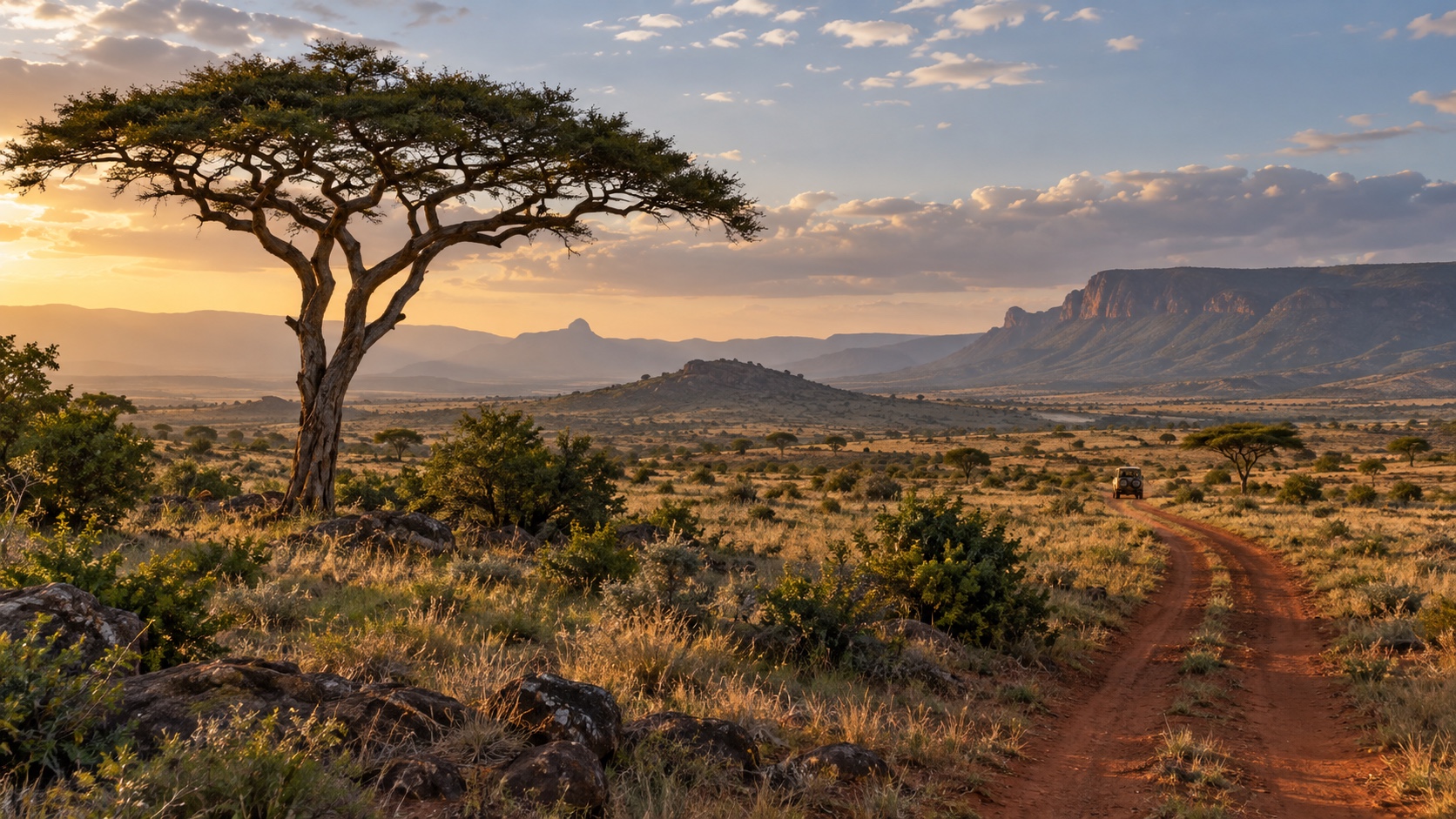
Laikipia is a different kind of Kenya safari. It is a broad conservation landscape rather than one single park, shaped by private ranches, community conservancies, wildlife corridors, and the people who make those pieces work together. The result is a safari with more room for walking, night drives, horseback riding, and a closer look at conservation in practice.
Three or four nights allows the landscape to become legible. The days can move from a morning drive to a walk, a visit with a conservation team, or time at camp without feeling that every hour needs to produce a sighting. Laikipia is particularly good for repeat safari travellers and families who want more variety in the day.
Know before you go
- Fly into: Nairobi is the main international gateway. Nanyuki and nearby private airstrips make light aircraft access practical for many safari itineraries.
- Trip length: Three or four nights gives you time for drives, walking, and the wider conservancy story. Add more if the group wants to combine several camps or ranch areas.
- Best months: June through October and January through February are often the drier, easier windows. The shoulder seasons can be rewarding when the group is comfortable with changing conditions.
- Getting around: Use a light aircraft for longer connections and a private safari vehicle within the conservancy. Walking and horseback options depend on the specific property and guide.
- Money: Kenya uses the shilling. Most camps manage extras by card or account, while cash remains useful for tips and small local purchases.
- What to reserve: A conservancy with a clear conservation model, a guide who knows the landscape, private transfers, and the activities the group wants beyond a standard game drive.
Choose the conservancy before the room
Laikipia is not one uniform experience. Some properties focus on rhino, others on community land, predator research, horseback riding, or a more traditional safari rhythm. The right camp depends on the people travelling and the type of access they want, so the name on the room matters less than the landscape around it.
Make room for a walk
Walking changes the scale of a safari. You notice tracks, plants, birds, and the way a guide reads the ground before you think about larger animals. It is an excellent complement to game drives, particularly for families with older children and repeat safari travellers who want to understand the place beyond a vehicle window.
See conservation at working scale
Laikipia’s strength is the connection between habitat, wildlife, and local livelihoods. A good stay can include time with rangers, conservation staff, or community partners, depending on the property. Ask for experiences that are built around real work and local leadership. They should add understanding rather than turn conservation into a photo opportunity.
Expect a wider cast of wildlife
Laikipia is known for its range of habitats and species, including elephants, rhino, big cats, wild dog, giraffe, and Grevy’s zebra in the wider landscape. Sightings are never guaranteed, and that is part of the point. The guide’s knowledge of the land often matters more than a promise of a particular animal.
Let the camp do less
The best Laikipia properties understand that a day can be full without being busy. After a drive or walk, take lunch slowly, read in the shade, and allow the camp to become part of the experience. The wider landscape is already doing enough.
Planning brief
Laikipia suits repeat safari travellers, families, conservation-minded guests, and anyone who wants more ways to experience Kenya beyond a conventional game-drive schedule.
- Best suited to: active safari travellers, families, photographers, equestrian guests, and people interested in community-led conservation.
- Settle early: conservancy model, camp location, walking permissions, airstrip access, private vehicle, and the balance of activities.
- Useful pairing: Amboseli, Maasai Mara, Samburu, Lewa, or the Kenyan coast.
Give Laikipia a little more room
Laikipia is a safari for people who like context and choice. Tell us whether the group wants wildlife, walking, conservation, family time, or all four, and we will find the landscape that fits.
Our luxury leisure travel planning can arrange conservancy stays, private guiding, flights, transfers, and the rest of Kenya.
How many nights should you spend in Laikipia?
Three or four nights gives the region enough time to show its range, from game drives to walking and conservation visits. A shorter stay can work, but Laikipia is better when the schedule is not built around constant movement.
What makes Laikipia different from a national park?
Laikipia is a connected conservation landscape made up of private ranches, community conservancies, and other wildlife areas. That structure often allows more flexibility, including walking, night drives, and closer contact with conservation work.
Is Laikipia good for families?
It can be excellent for families, especially when the camp offers age-appropriate walking, horseback riding, and flexible private guiding. Choose the property around the children’s ages and the balance of activity and rest they can manage.
Can Laikipia be combined with Amboseli?
Yes. The two destinations bring different landscapes and safari styles. Laikipia adds conservancy activities and a broader northern setting, while Amboseli offers elephants, open plains, and the possibility of Mount Kilimanjaro views.
CONTINUE EXPLORING