


Nosy Be
Nosy Be, Madagascar’s Island Pace
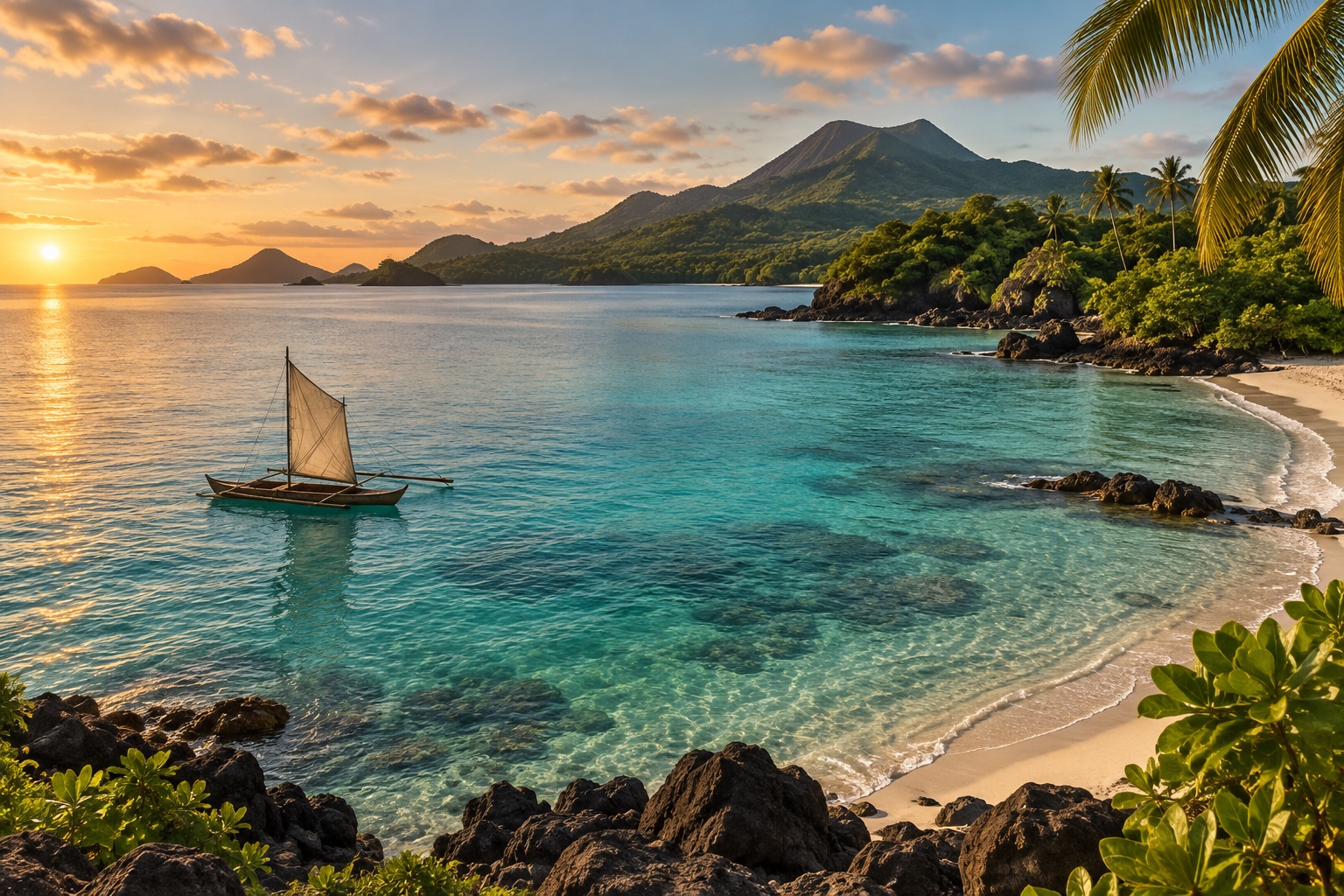
Nosy Be is an easy way into Madagascar’s Indian Ocean landscapes. Volcanic hills, warm water, small islands, ylang-ylang plantations, and quiet beaches give the destination a softer rhythm, while the nearby forests and reefs keep the days active when you want them to be.
Four nights is a useful starting point. Spend one day on the water, one in Lokobe, one around the island itself, and keep at least one morning empty. Nosy Be is better when the beach is allowed to be part of the itinerary rather than the reward for completing it.
Know before you go
- Fly into: Fascene Airport is the main gateway to Nosy Be, with connections from Madagascar and selected regional hubs. Arrange the transfer to your hotel in advance.
- Trip length: Four nights for a first stay. Add time for several boat days, diving, Lokobe, or a longer Madagascar route.
- Best months: April through October is generally drier and comfortable for beach and boat days. November through March is warmer and wetter, with changing sea conditions.
- Getting around: Use a private driver on land and a trusted boat operator for the islands and reefs. Roads outside the main areas can be slow.
- Money: Madagascar uses the ariary. Keep cash for smaller hotels, boats, guides, markets, and tips, as card facilities vary.
- What to reserve: A well-located hotel, airport transfer, private boat, Lokobe guide, and any diving or marine experience before arrival.
Choose the water first
Nosy Be can be a quiet beach stay or a base for daily excursions. Look at the group’s appetite for boat time, snorkelling, diving, and island visits before choosing the hotel. A beautiful property in the wrong part of the island can make simple outings unnecessarily long.
Give Lokobe a proper day
Lokobe is the last remaining primary forest on Nosy Be and a useful counterpoint to the coast. Go with a local guide who can read the forest and explain the species without turning the walk into a race. Early morning usually brings better light and more activity.
Use the small islands well
Nosy Sakatia, Nosy Komba, and the surrounding reefs each offer a slightly different day on the water. Choose the route around sea conditions and the group’s interests. A private boat is valuable when swimmers, divers, and people who would rather stay dry are travelling together.
Notice the island’s working life
Nosy Be is shaped by fishing, farming, craft, and trade as much as by its beaches. A market visit, a spice or ylang-ylang conversation, and a meal away from the resort can give the stay a stronger sense of place. Go with a local host and ask before photographing people.
Keep one day slow
After a boat or forest day, let the next morning start late. Read by the water, swim, and eat lunch without looking at the clock. Nosy Be has enough beauty that the itinerary does not need to keep proving it.
Planning brief
Nosy Be suits couples, families, divers, beach travellers, and anyone who wants a softer island chapter inside a more adventurous Madagascar itinerary.
- Best suited to: couples, families, snorkellers, divers, photographers, and travellers who want sea time with a little local texture.
- Settle early: hotel location, boat operator, Lokobe guide, cash planning, sea conditions, and the connection to mainland Madagascar.
- Useful pairing: Antananarivo, the northern Madagascar coast, a private island stay, or a longer wildlife route.
Let the island set the pace
Nosy Be is generous when the days are given a little space. Tell us whether the group wants reefs, forest, food, beaches, or a balance of all four, and we will choose the right base and boat days.
Our luxury leisure travel planning can arrange hotels, private boats, guides, transfers, diving, and the wider Madagascar route.
How many nights should you spend in Nosy Be?
Four nights is a good starting point for a boat day, Lokobe, an island outing, and time at the hotel. Add more for diving, several marine days, or a longer Madagascar itinerary.
What is Nosy Be best known for?
Nosy Be is known for warm Indian Ocean water, beaches, reefs, small islands, volcanic landscapes, and access to Madagascar’s wildlife and forest experiences. The best trips combine the coast with at least one inland day.
Is Lokobe worth visiting?
Yes. Lokobe brings forest, wildlife, and a more grounded sense of Nosy Be. Go with a local guide, start early, and choose a walk that matches the group’s comfort in heat and humidity.
When is the best time to visit Nosy Be?
April through October is generally drier and easier for beach and boat days. The wetter season can still be rewarding, but sea conditions and rain need more flexibility.
CONTINUE EXPLORING