

Cape Town and Safari: The Right Route

Cape Town and safari belong naturally in the same journey, but they should not compete for time. The city needs room for weather, the Winelands need at least one unhurried day, and safari becomes meaningful only after the first game drive. The route works when each chapter is allowed to change the pace.
Begin in Cape Town
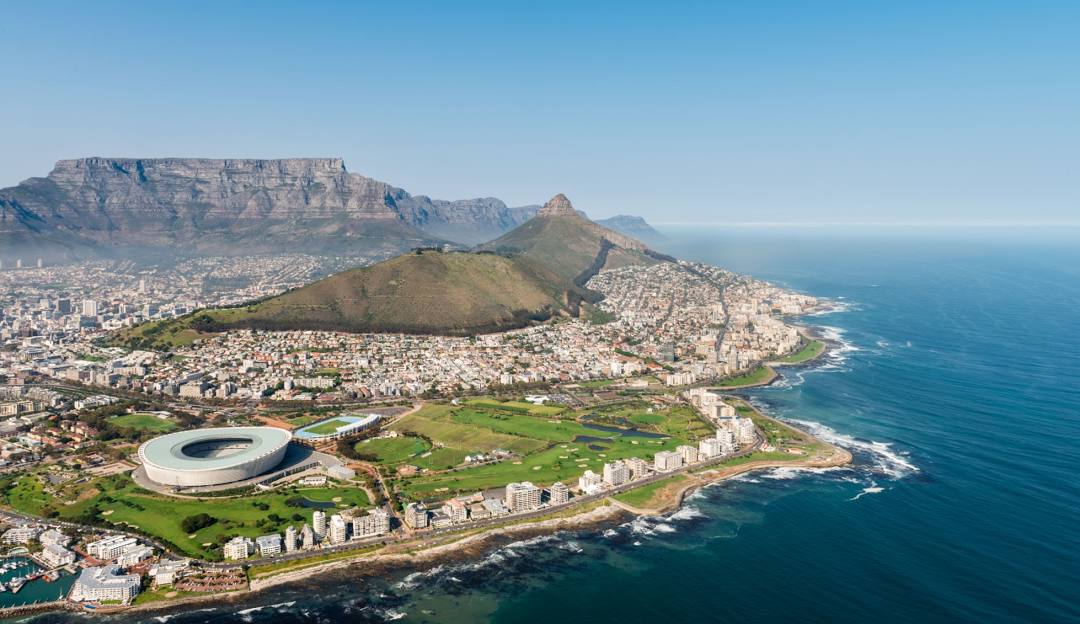
Four or five nights gives the city enough flexibility. Table Mountain should be attempted on the first clear, calm morning rather than saved for a particular date. Wind and cloud can close access quickly. The Cape Peninsula also deserves a full day, while art, history, food, and coastal neighborhoods can be arranged around conditions.
Hotel location changes the experience. The city bowl places restaurants and culture close by. The Atlantic Seaboard adds ocean views and a residential evening mood. Waterfront hotels are practical and easy, especially for first visits, but should be chosen for the traveler rather than by default.
Add the Winelands with intention
Stellenbosch and Franschhoek are close enough for a day trip, but one or two nights changes the rhythm. A country hotel allows long lunches, cellar visits, gardens, and early mornings without a return drive to the city. Even travelers who do not build the trip around wine often appreciate the landscape and food.
Choose a few thoughtful appointments rather than moving between tasting rooms all day. A private guide can balance established estates, smaller producers, and a proper meal while keeping the driving seamless.
Then fly to safari
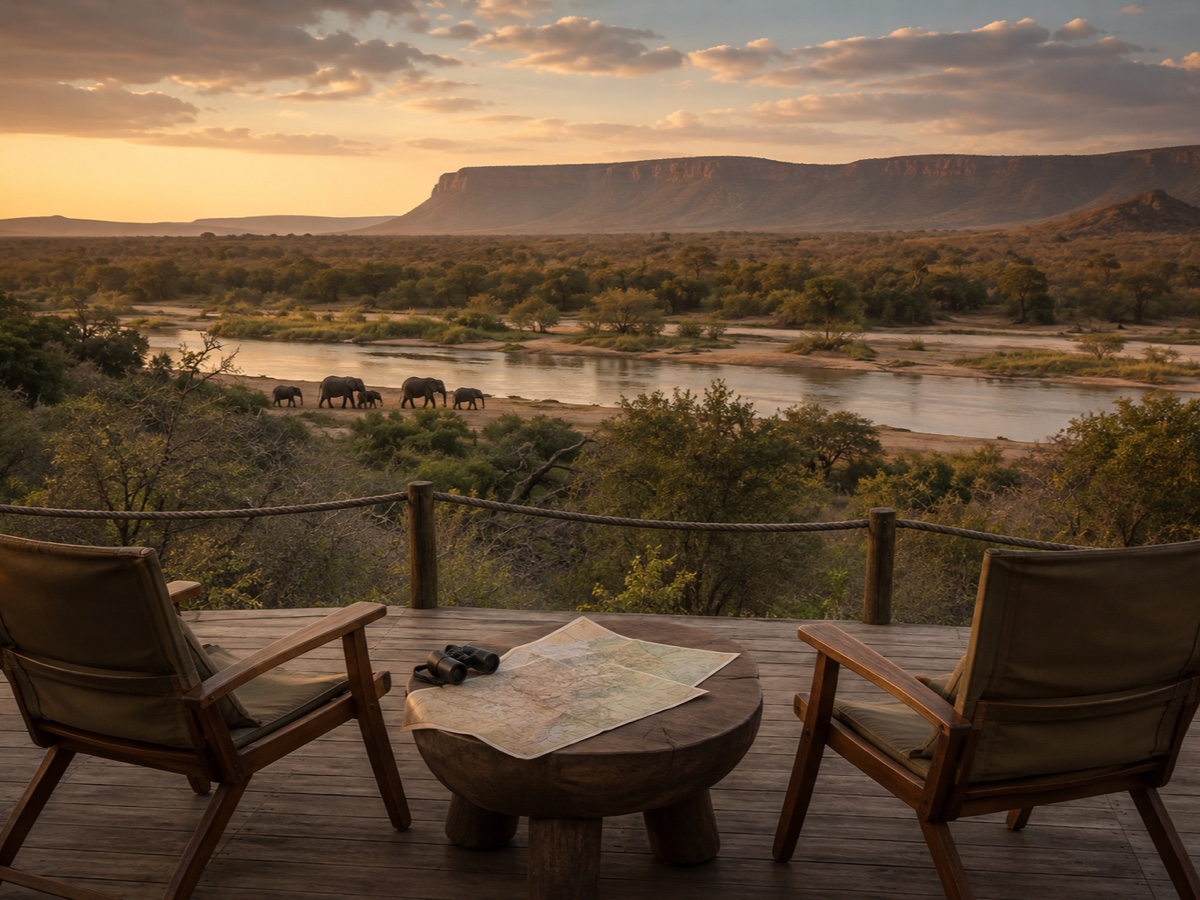
Most first itineraries continue by air to a private reserve. The exact routing depends on lodge, season, and flight schedule, which can change. Three nights is the minimum worth protecting. Four provides a more settled experience and allows wildlife viewing to unfold without pressure.
The lodge decision is about more than décor. Reserve size, vehicle policy, guiding, family rules, malaria considerations, transfer method, and room position all matter. A beautiful suite cannot compensate for a reserve that does not fit the group's expectations.
Which season wins
Cape Town's warm, dry summer generally runs from late in the year into early autumn, while many safari regions offer their clearest wildlife viewing in the drier winter months. Shoulder seasons can create the best compromise. Green-season safari is lush and dramatic, with different photographic rewards and often softer demand.
There is no single perfect month for both. Decide whether city weather, wildlife visibility, family calendar, or value matters most, then build from that priority.
The pacing that works
Ten nights can support four in Cape Town, two in the Winelands, and four on safari. Twelve or more creates space for slower transfers, another reserve, or time along the coast. Avoid turning Johannesburg or another gateway into an unnecessary overnight unless flight timing requires it.
South Africa is at its best when logistics disappear. Flights, lodge transfers, luggage limits, restaurant reservations, and weather alternatives should be coordinated as one plan rather than separate bookings.
Continue with A Few Places We Love, or plan a Cape Town and safari journey with the right sequence from the start.