

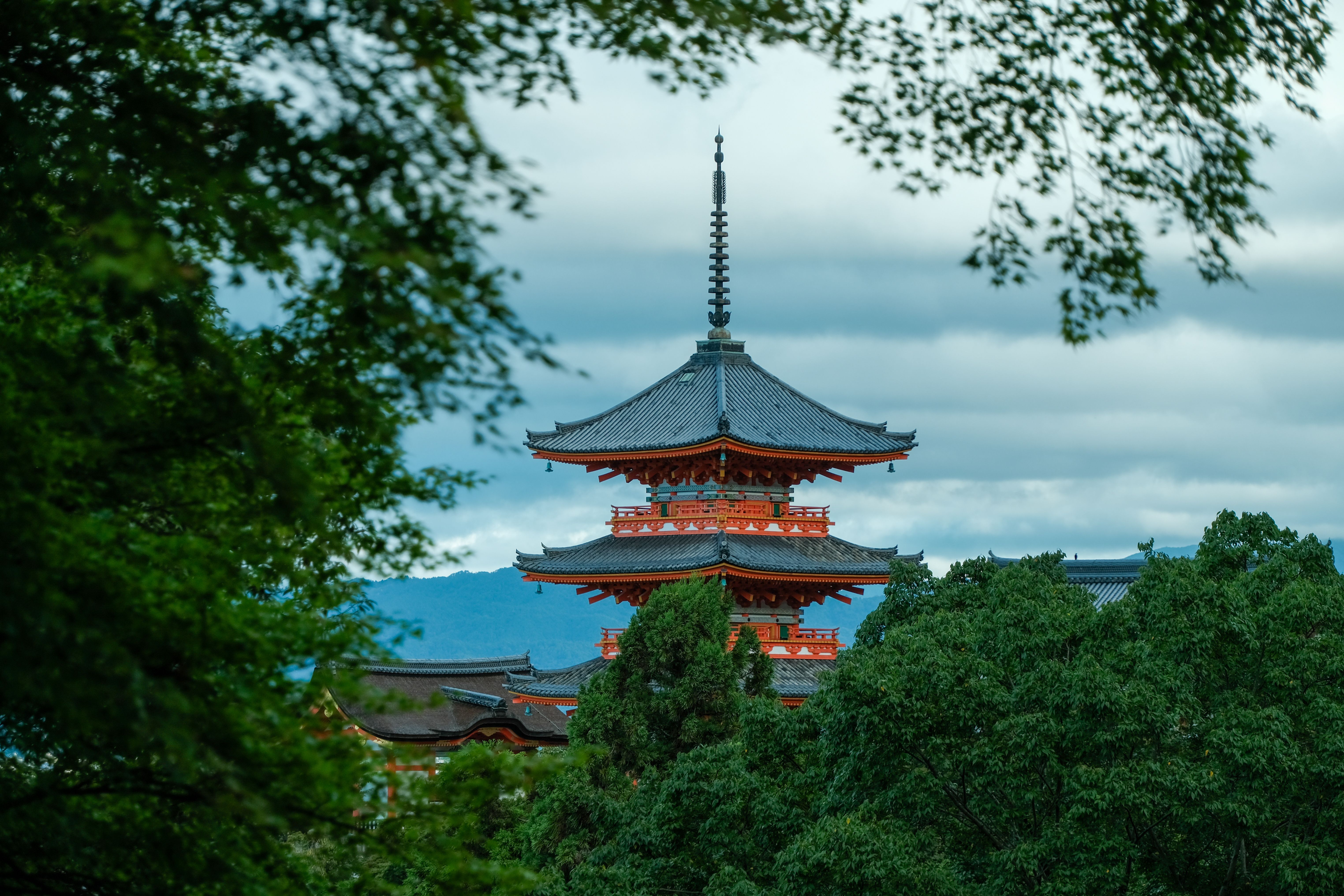

Kyoto Beyond Cherry Blossom Season

Kyoto can feel serene or relentlessly busy, sometimes within the same hour. The difference is rarely the list of landmarks. It is the season, the neighborhood, and the order in which the day unfolds. A thoughtful itinerary uses early mornings and quieter districts to protect the atmosphere people imagine when they picture the city.
Choose the season before the hotel
Spring blossom and autumn foliage are beautiful, but they also compress demand into narrow windows. Room categories, private guides, and special dining should be addressed well in advance. Late winter offers cool, quieter days and the possibility of snow. Early summer brings green gardens and seasonal rituals, while midsummer is hot and humid but culturally alive.
If your dates are flexible, choose the feeling you want rather than chasing a single photograph. Gardens can be deeply expressive in every season, and a return visit often benefits from avoiding the most famous weeks.
Stay where the evenings make sense
Gion and Higashiyama place you close to temples, lanes, and traditional architecture. They suit travelers who want quiet mornings and atmospheric walks after day visitors leave. Downtown Kyoto is practical for dining and transportation, while the area around Kyoto Station works well for rail-heavy itineraries and day trips.
A ryokan can be a memorable part of the stay, but it changes the rhythm. Fixed meal times and traditional rooms reward guests who want to engage with the experience. For others, a contemporary hotel and one carefully chosen ryokan night may be the better balance.
Plan by area, not by checklist
Kyoto's best days are geographically disciplined. Pair the eastern temples with Gion, or group northwest gardens and pavilions rather than crossing the city repeatedly. Fushimi offers more than its famous shrine, including a historic sake district shaped by the area's water and river trade.
Start major sites early, then let the afternoon become more local. A private guide adds context, but also knows when a famous view has stopped being worth the crowd. The city now provides congestion information for good reason. Timing is part of the experience.
Leave room for craft and food
Kyoto's living traditions make the visit more than a sequence of monuments. Ceramics, textiles, tea, gardens, and cuisine each open a different door into the city. Choose one or two experiences with real depth instead of collecting brief demonstrations.
Dining reservations deserve advance attention, especially for small counters and special-occasion meals. Dietary needs should be discussed before confirmation. Traditional kitchens may not be able to make last-minute substitutions, and clarity protects both the guest and the host.
How long to stay
Four nights allows a first-time visitor to establish a rhythm. Five or six creates space for a day beyond the center, perhaps toward tea country, the western hills, or another part of Kyoto Prefecture. Kyoto also pairs naturally with Tokyo, but it should not be treated as a two-night museum stop between trains.
The city rewards consideration. Travel light, respect residential streets, and give each day a clear center. Kyoto feels most luxurious when the plan creates access to quiet rather than simply adding more reservations.
See more inspiration in A Few Places We Love, or plan a Kyoto itinerary around the season and pace that suit you.