

Namibia Destination Guide

Namibia is a journey through scale: dunes, desert-adapted wildlife, empty roads, and lodges separated by serious distance.
Namibia, Namibia, rewards travelers who match ambition to geography and operational reality.
The planning decision
Decide between a flying safari, a private road journey, or a hybrid, then limit the number of regions.
Season and calendar
Cooler dry months make desert travel easier; summer can bring heat and dramatic storms. Coastal conditions are often cool and foggy.
Where to base and how to route
Use at least three nights in key regions and treat transfer days honestly. Light aircraft save time but impose luggage limits.
Stay strategy
Location and guide quality matter more than conventional luxury. Remote lodges must be chosen for what surrounds them.
When to begin
Begin nine to fifteen months ahead for peak season, private aircraft, and the small lodges in the most remote landscapes.
Signature experiences
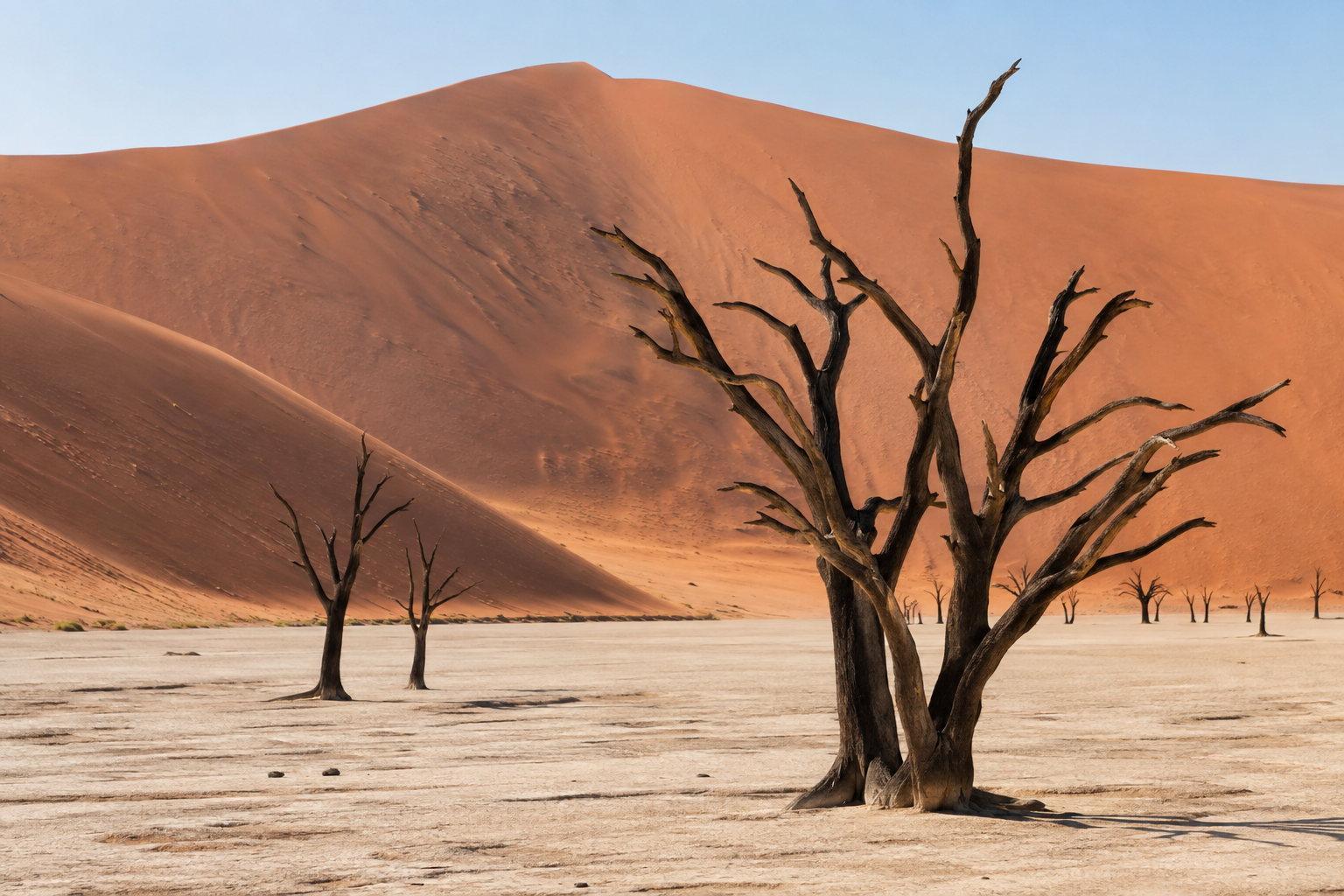
- Climb or view the Sossusvlei dunes in early light
- Track desert-adapted wildlife with specialist guides
- Study rock art and geology in Damaraland
- Experience the Skeleton Coast by air or carefully planned overland route
Who this trip suits
Namibia suits photographers, adventurous couples, older families, and safari returners seeking solitude.
When another plan may fit better
Choose South Africa for easier logistics and greater variety, or Botswana when dense wildlife is more important than landscape.
Plan it with one accountable advisor
JustKeeps Travel can coordinate camps or hotels, routing, private guides, transfers, and practical details through one accountable advisor.