

Patagonia: How to Route Chile and Argentina

Patagonia looks like one destination on a map and behaves like several. Chilean and Argentine gateways, long road transfers, border formalities, shifting weather, and limited lodge inventory all shape the route. The most satisfying trip accepts the scale and chooses fewer places.
Decide which Patagonia you mean
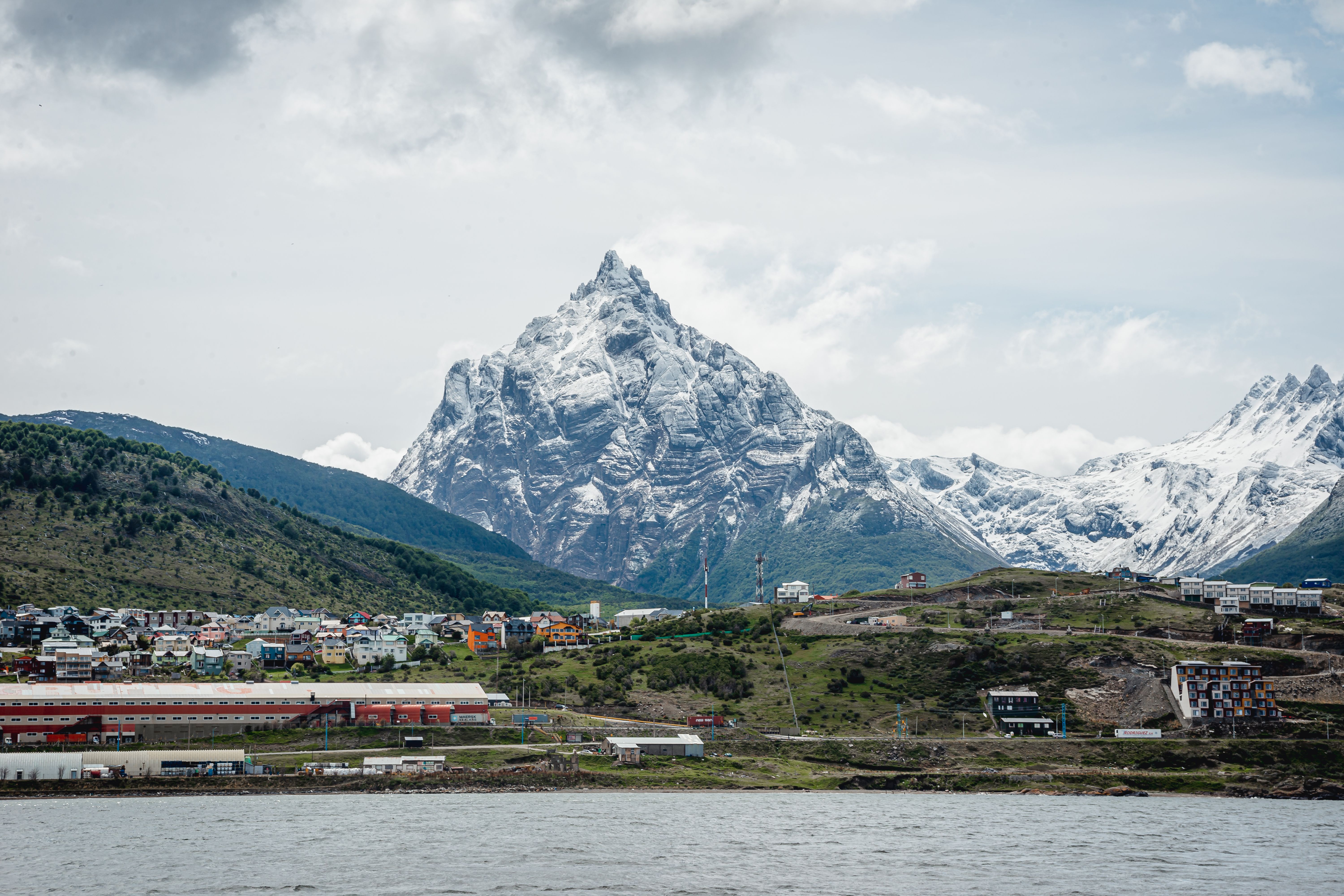
Torres del Paine is the classic Chilean chapter, with granite massifs, lakes, steppe, and a range of lodge-based walks. Across the border, El Calafate provides access to the Perito Moreno Glacier, while El Chaltén offers hiking beneath Fitz Roy. Combining them is possible, but every connection must earn its place.
Northern Patagonia, the Carretera Austral, Bariloche, and Tierra del Fuego are different journeys. Trying to include them all in one first visit creates more airport and road time than landscape.
Build around the lodge
In remote regions, the property is part hotel, part operations center. It may coordinate transfers, guides, meals, equipment, and the day's decisions. Location within or outside a park affects how quickly you reach trailheads and how much flexibility you have.
Choose based on activity level, guiding style, room outlook, vehicle group size, and the companions traveling with you. Some properties are ideal for serious walkers. Others work better for mixed generations who want several levels of activity each day.
Protect enough nights
Three nights in a major lodge is a minimum. Four or five is better when weather matters, which it always does here. On the Argentine side, give El Calafate and El Chaltén separate consideration rather than treating them as interchangeable.
A ten-night ground itinerary can connect two or three strong bases. Two weeks gives the journey a better cadence and reduces the pressure to keep moving after every clear day.
Season is only the beginning
The main travel season falls in the southern spring and summer, when days are longer and more services operate. Peak months also bring the greatest demand and can be windy. Early autumn offers beautiful color and a calmer mood, though services begin to reduce. Winter travel requires a different plan.
Weather changes quickly in every season. Pack layers, protect transfer margin, and avoid building the return flight too close to a complex border or road day.
Crossing between Chile and Argentina
A two-country route can be excellent, but it should be designed around actual flight days, border procedures, and private transfer times. The shortest line on a map is not always the best route. A strategic overnight in Santiago or Buenos Aires may add pleasure and protect connections.
Luggage limits on regional flights and lodge transfers should be confirmed before packing. Travelers with mobility concerns need detailed activity and vehicle planning, since terrain and distances can be demanding.
The luxury is time
Patagonia does not need constant embellishment. An excellent guide, a warm lodge, a well-timed transfer, and an open afternoon after a long walk are enough. The planning should make the remoteness feel expansive, not inconvenient.
Find more inspiration in A Few Places We Love, or begin planning Patagonia with realistic routing from the outset.