

Tunisia Destination Guide

Tunisia compresses Mediterranean coast, Roman archaeology, Islamic cities, and Sahara-edge landscapes into a route that still needs restraint.
Tunisia, Tunisia, works best when the trip respects its geography, climate, and cultural context.
The planning decision
Choose between a Tunis-and-coast stay and a broader circuit reaching central or southern landscapes.
Season and calendar
Spring and autumn are generally comfortable; summer favors the coast but can make inland archaeology punishing at midday.
Where to base and how to route
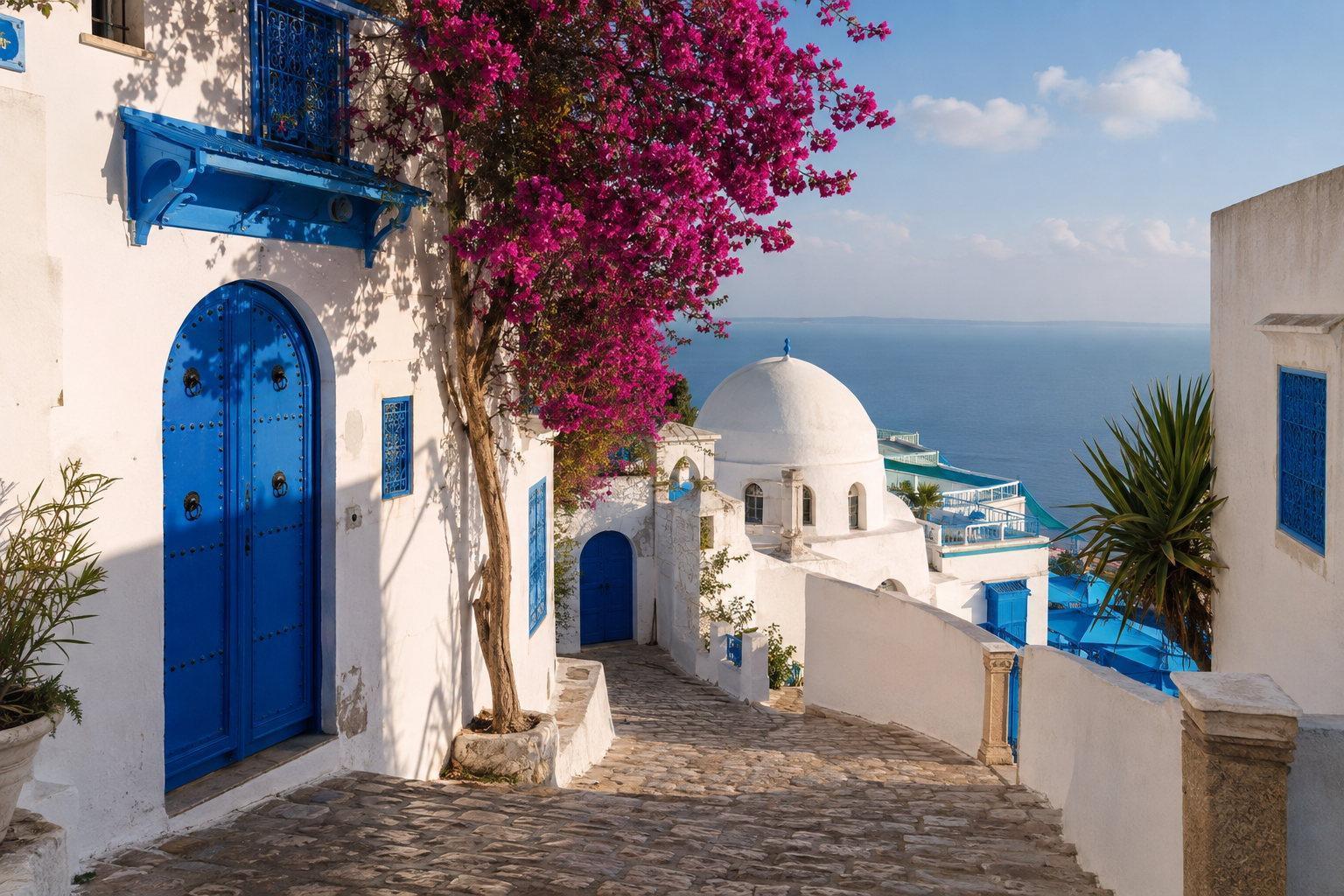
Use Tunis or nearby Sidi Bou Said for the north, then add one or two regional bases only if the trip is long enough.
Stay strategy
In the north, prioritize access and character; in remote areas, guide quality and operational reliability matter more than conventional luxury.
When to begin
Begin early for spring, autumn, private guiding, and carefully selected desert logistics.
Signature experiences
- Explore Carthage with an archaeologist
- Walk the medina of Tunis with cultural context
- Use Sidi Bou Said for a measured coastal interlude
- Add Roman or desert sites only within a coherent route
Who this trip suits
Tunisia suits history travelers, culturally curious couples, families with older children, and Mediterranean repeat visitors.
When another plan may fit better
Choose Morocco for a deeper luxury-hotel network, or remain on the Tunisian coast when long overland travel is not appealing.
Plan it with one accountable advisor
JustKeeps Travel can coordinate hotels, routing, private guides, transfers, and practical details through one accountable advisor.