


Buenos Aires
A European Capital That Ended Up in South America
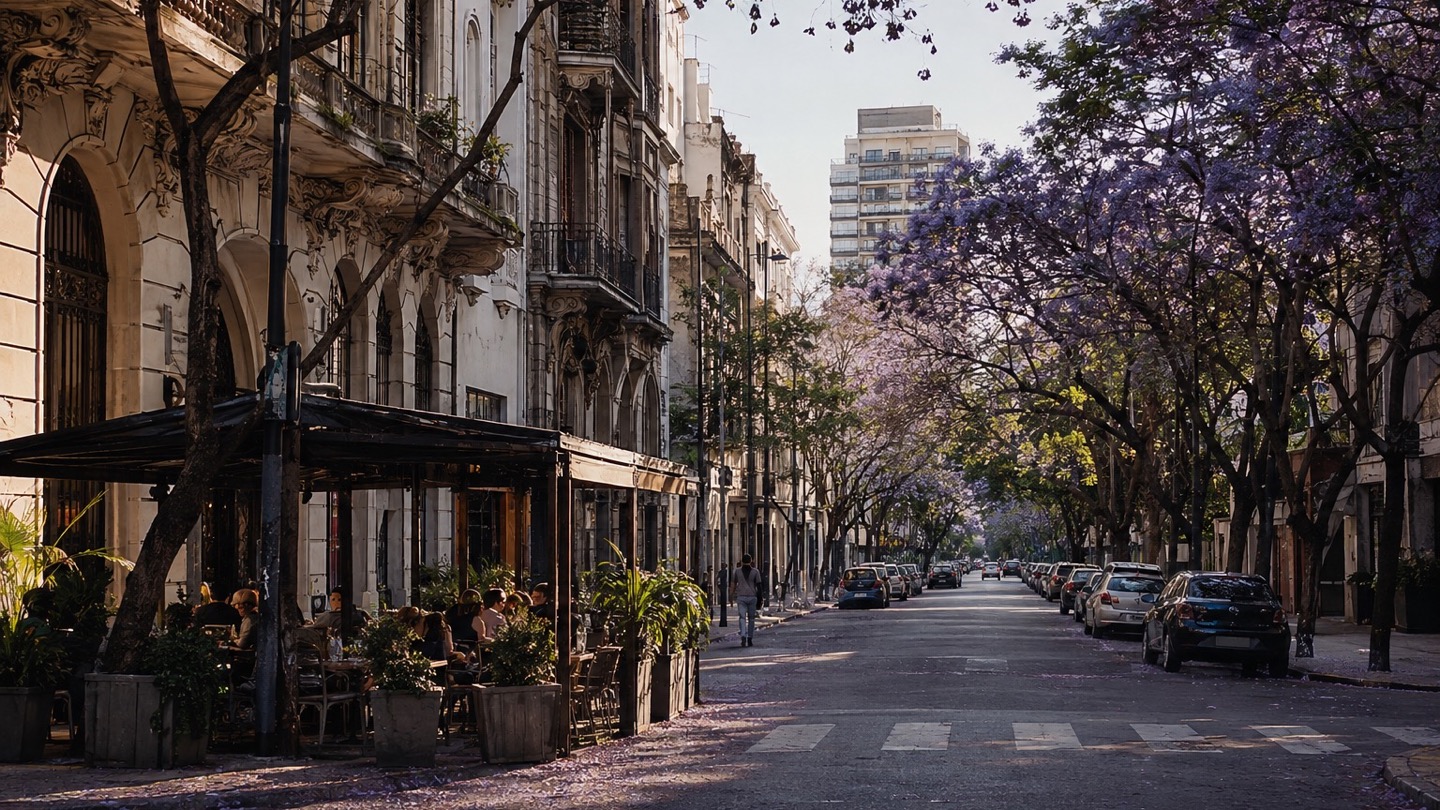
Buenos Aires was built by people who wanted Paris and had the money to attempt it, and the result is a city of Beaux Arts facades, enormous plane trees and boulevards on a scale that still surprises first time visitors to Argentina. What makes it more than an architectural curiosity is the culture layered on top: tango as a living social practice rather than a stage act, a beef and wine tradition that has quietly modernized, one of the great opera houses in the world, and a nightlife that genuinely begins at midnight. Buenos Aires does not reward early risers. It rewards travelers willing to adjust their clock.
The planning decision: the city alone, or the doorway to Argentina
Four nights is the honest minimum for the city itself, and it is easy to justify six. But most travelers should think of Buenos Aires as the hinge of a wider Argentine trip. Mendoza and the wine country sit under two hours away by air. Iguazú Falls is a similar hop north. El Calafate and Bariloche open up Patagonia to the south. The city is also the natural pairing with Uruguay, since the ferry to Colonia takes about an hour and Montevideo and José Ignacio are straightforward from there. Deciding the shape of the whole trip first is what determines how many nights the city gets.
Jacaranda, harvest light and the months locals leave
The seasons are inverted. Spring, from September through November, is the best window: jacaranda in bloom, warm afternoons and the cultural season in full swing. Autumn, from March through May, is the close second and often quieter. January and February are the local summer holidays, hot and humid, and a noticeable share of the city leaves for the coast, which thins out exactly the restaurants and shops you came for. June through August is cool and gray but perfectly workable, with the best hotel value and the opera and theater seasons running. Polo season runs through the spring, with the Argentine Open at Palermo drawing the largest crowds late in the year.
Where to base, and how the neighborhoods differ
Recoleta is the grand, formal, tree lined choice and the right one for a first visit, with the museums, the cemetery and the classic hotels. Palermo splits into Chico, which is residential and elegant, and Soho and Hollywood, which hold most of the modern restaurants and boutiques. Puerto Madero is the redeveloped waterfront, modern and safe and slightly soulless. San Telmo is the oldest and most atmospheric quarter, better visited than slept in. Ezeiza handles international arrivals about forty five minutes out, and Aeroparque sits on the river in the city and handles most domestic flights, which matters when Patagonia or Mendoza follow.
Palaces, gardens and one deliberately theatrical option
Four Seasons Hotel Buenos Aires pairs a modern tower with La Mansión, a restored 1916 residence whose suites are among the most characterful rooms in the city. Alvear Palace Hotel is the grande dame of Recoleta and unapologetically formal. Park Hyatt Buenos Aires, in the Palacio Duhau, has the best garden in the city and a quiet that is hard to find nearby. Faena Hotel in Puerto Madero is theatrical and divides opinion, which is rather the point. If you want to walk everywhere, choose Recoleta. If you want to eat and shop your way through the week, choose Palermo.
When to begin
Three to four months is comfortable. Spring and the polo calendar want five or six. Teatro Colón releases its season programming in advance and the best seats go quickly, so if the opera house is part of your reason for coming, tell us before we set the dates rather than after. Any itinerary continuing to Patagonia should be started six months out, because the good lodges there are small and seasonal.
Four experiences worth building the days around
- A performance or a guided daytime tour at Teatro Colón, which is genuinely among the finest opera houses anywhere and worth planning the week around.
- Tango approached properly, which usually means a milonga where people actually dance rather than a dinner show, arranged with someone who knows the calendar.
- A day at an estancia outside the city for horses, an asado and an afternoon of open pampas, which resets the pace of the whole trip.
- A parrilla and a modern tasting menu on consecutive nights, so you understand both the tradition and where Argentine cooking has gone since.
Who this trip suits
Buenos Aires suits couples, culture travelers and anyone who enjoys a city on foot. It suits food and wine travelers, particularly those continuing to Mendoza. It suits multi generational groups well, because the apartments and larger suites are generous and the city is easy to split up in. It suits travelers who want South America without a long acclimatization or a physically demanding itinerary.
When another plan may fit better
If you want beaches and heat, this is not it, and Rio de Janeiro is the obvious alternative on the same continent. If dramatic landscape is what you are after, put the nights into Patagonia instead and give the city three. And travelers who need to be asleep by ten will find the city's rhythm works against them.
Plan it with one accountable advisor
Tell us the month, the appetite and whether wine country or Patagonia follows, and we will set the neighborhood, the table bookings, the estancia day and the internal flights in the right order. Our luxury leisure travel planning handles the full Argentine sequence rather than the city in isolation.
Continue Exploring