


Crete
Not An Island So Much As A Small Country
Crete is a hundred and sixty miles long with three mountain ranges, its own dialect, its own cooking and a civilisation that was building palaces with plumbing while most of Europe was still in the Bronze Age. People book it the way they book a Greek island and then discover the drive from Chania to Elounda takes three hours. Understanding the scale before you book is the single most useful thing about planning here, because Crete does not reward a base in the middle. It rewards choosing an end.
The planning decision: west or east
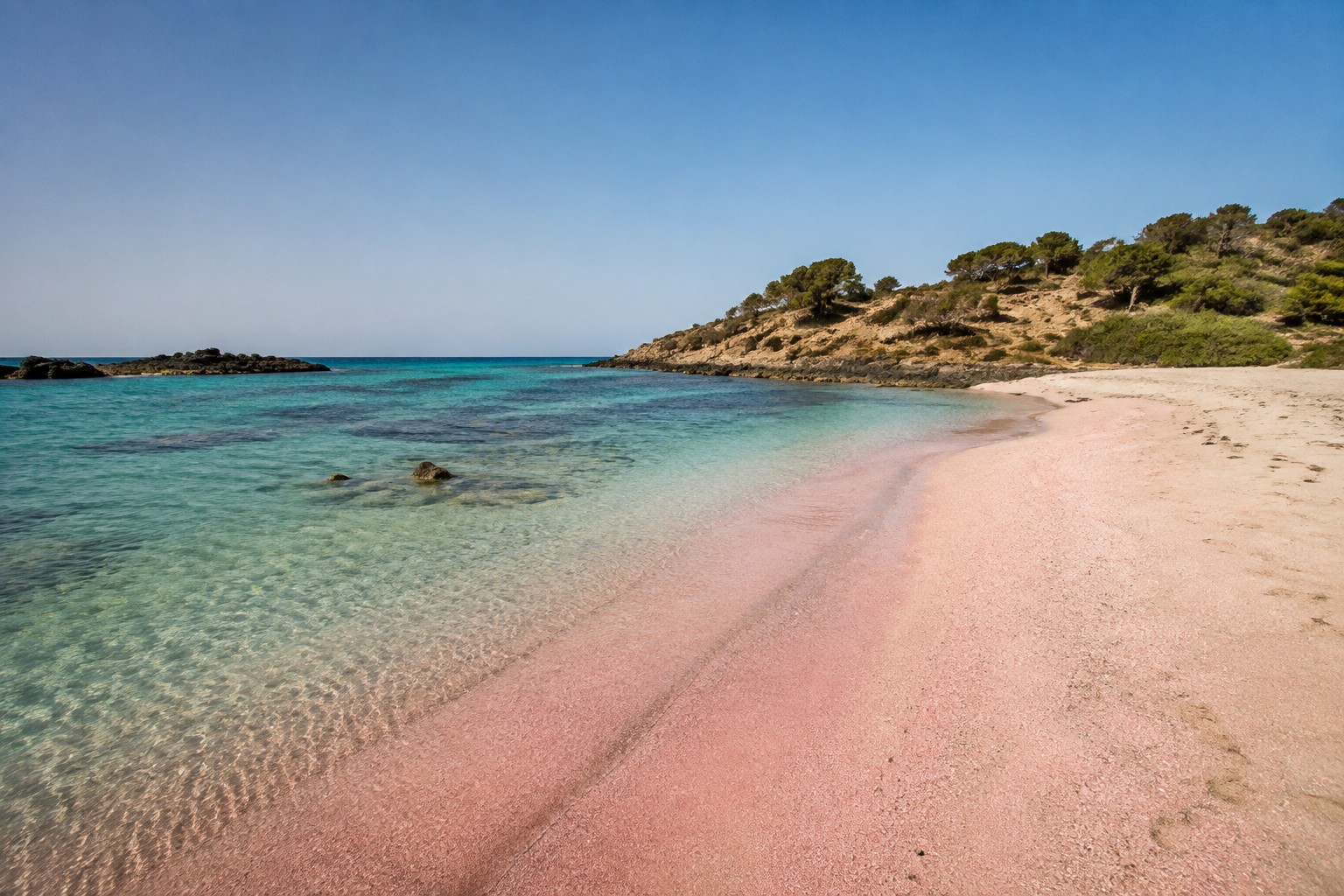
The west, around Chania, is the beautiful half. A Venetian harbour town that is genuinely lovely to walk at night, the White Mountains behind it, the Samaria Gorge, and the two beaches people fly here for, Balos and Elafonisi, both of which take real effort to reach. The east, around Elounda and Agios Nikolaos, is where the hotels are: a tight cluster of large luxury properties on a sheltered gulf, with the best service on the island and scenery that is pleasant rather than spectacular. West for beauty and walking, east for a hotel week. Doing both means two bases and a transfer, which is a perfectly good plan for ten days and a bad one for five.
Season, and a wind worth knowing about
May, June, September and early October are the months. The sea is warm from June, the light is good, and the gorge is open. July and August are hot and busy, and the meltemi wind blows hard down the Aegean, which can close the boats to Balos for days at a time. That matters more here than people expect, because several of the best beaches are reached only by boat. Winter is mild at sea level and genuinely snowy in the mountains, and most of the coastal hotels close from November.
Where to base, and the driving
Two airports, Chania in the west and Heraklion in the middle, and which you fly into should follow which half you have chosen rather than which flight is cheapest. A car is not optional. The north coast road is fast, the mountain roads are slow and worth it, and the villages inland are where the food actually is. Heraklion itself is a working city rather than a destination, but the Archaeological Museum there holds the real Minoan finds and is the reason to give it half a day.
Stay strategy
In the east, Blue Palace at Elounda sits on the water looking across to Spinalonga and is the classic. Domes of Elounda and Elounda Mare cover the same gulf at different registers. Daios Cove, a little further along, is built down a private bay and is the strongest for families. In the west there is far less at that scale and that is the point: small hotels inside Chania old town, and a good villa market in the hills behind the coast. For a group or a family fortnight, a villa in the west and a hotel week in the east is the itinerary that uses the island properly.
When to begin
Five months for June and September, longer for the Elounda properties in August, which sell out early to repeat guests. The Samaria Gorge is a serious eighteen kilometre walk with a boat and bus at the end, and the logistics are worth arranging rather than improvising. Private access at Knossos outside public hours is limited and the terms change, so it should be confirmed for your dates rather than assumed.
Four experiences worth building the days around
- Knossos at opening with a guide, then the Heraklion Archaeological Museum in the same morning, because the palace without the objects is only half the story.
- Balos or Elafonisi by boat, weather permitting, going early and leaving before the day boats arrive.
- The Samaria Gorge, top to sea, which is the best long walk in the Greek islands.
- Lunch in a mountain village above Chania, where Cretan cooking is a genuinely distinct cuisine rather than a regional accent.
Who this trip suits
Crete suits families extremely well, because the hotels in the east are built for them and the island absorbs a fortnight. It suits walkers and food travellers more than any other Greek island. And it suits anyone who wants Greece without island hopping, since everything here is reachable by road.
When another plan may fit better
If you want the whitewashed Cycladic picture, this is not it and Santorini or the smaller islands are what you are imagining. If you want a small island feel where you know the harbour by day three, Crete is far too big. And if you have five nights, pick one end and stay there.
Plan it with one accountable advisor
Tell us how many nights you have and whether this is a hotel week or a driving week, because that decides which airport you fly into and everything after it. Our luxury leisure travel planning builds the full Greek route including the ferries and the island order.
Should you stay in western or eastern Crete?
West, around Chania, for beauty, walking and the famous beaches. East, around Elounda, for the best hotels and service on the island. The drive between them is about three hours, so choosing one end is the single most useful decision you make. Doing both needs ten nights, not five.
How many days do you need in Crete?
Seven nights at one end, ten to fourteen if you want both. Crete is a hundred and sixty miles long with three mountain ranges, so people consistently underestimate it and end up driving instead of resting.
When is the best time to visit?
May, June, September and early October. July and August are hot and busy, and the meltemi wind can close the boats to Balos for days at a time, which matters because several of the best beaches are only reachable by sea. Most coastal hotels close from November.
Is Knossos worth visiting?
Yes, but do it properly. Go at opening with a guide, then the Heraklion Archaeological Museum in the same morning, because the palace without the objects is only half the story. Skipping the museum is the most common mistake here.
Continue Exploring