


Amsterdam Destination Guide

A City Best Seen Before Nine in the Morning
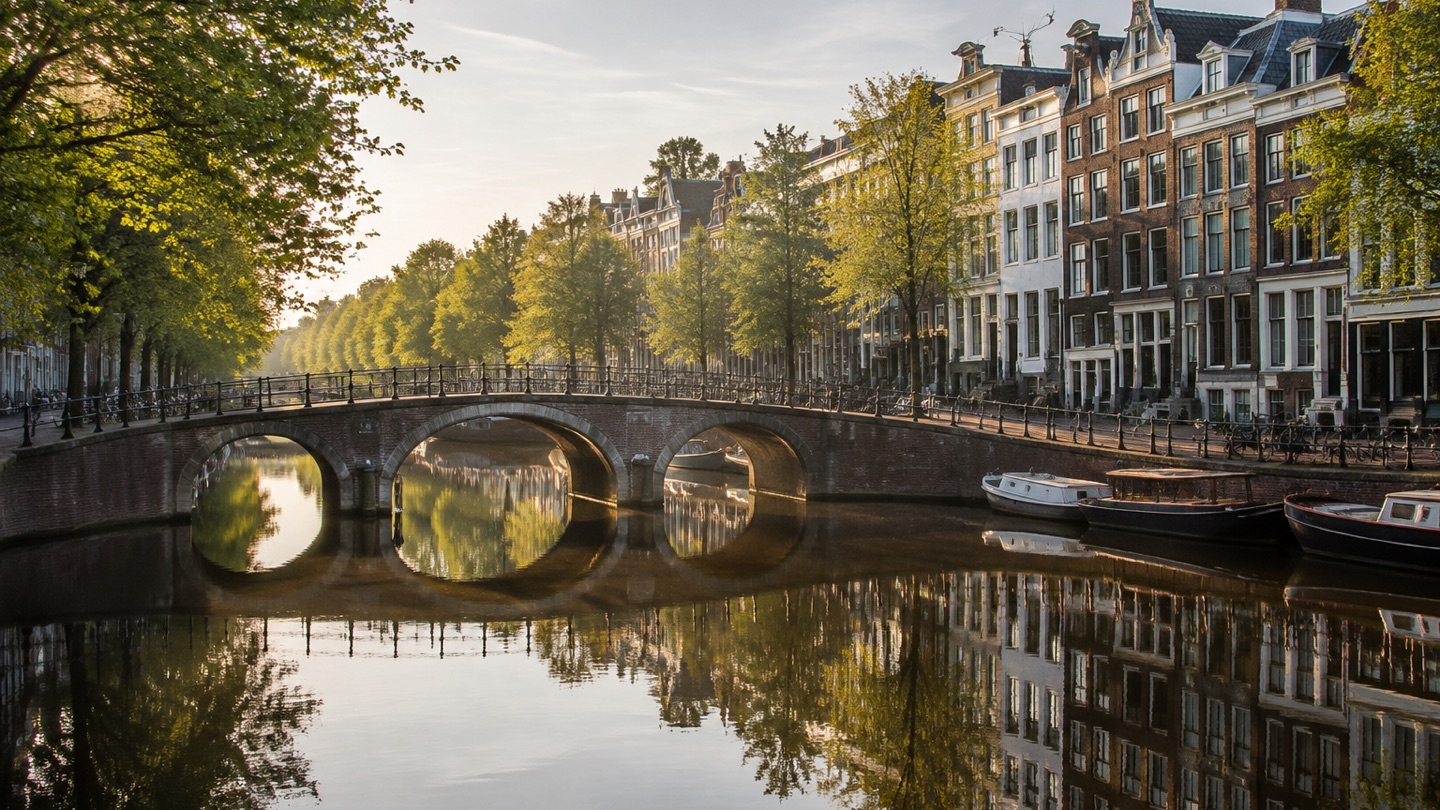
Amsterdam is small, and that is the single most useful fact about planning it. The Netherlands' capital fits a UNESCO listed ring of seventeenth century canals, two of the great museums in Europe, and roughly nine hundred thousand residents into an area you can cross on foot in under an hour. Into that same area come many millions of visitors a year. The result is a city that is genuinely magical at seven in the morning and genuinely oppressive at two in the afternoon in July. Everything about planning Amsterdam well comes down to controlling when you are where, and the travelers who understand that leave with a completely different impression from everyone else.
The planning decision: how long, and what surrounds it
Amsterdam is a three night city for most people, and stretching it to five usually means you should have added something else. What you add is the real decision. The Hague and its Mauritshuis are under an hour by train. Rotterdam, all modern architecture and a very different Dutch character, is about forty minutes. Utrecht is twenty five minutes. The tulip fields and Keukenhof bloom for a short window in spring. Bruges, Antwerp, Brussels and Paris are all straightforward by rail. Treating Amsterdam as the base for a wider Low Countries week is almost always better than treating it as the whole trip.
Tulips, crowds and the months that behave
April and May bring the tulips, the best light and the largest crowds, with Keukenhof open for a limited spring season and the bulb fields in bloom for a matter of weeks that shifts with the weather. King's Day at the end of April is a genuine spectacle and completely fills the city. June through August is warm, long and very crowded. September and October are the shrewd choice: mild, thinner, and the museums breathe again. November through March is cold and often wet, with short days, and it is when the canals look their most atmospheric and the hotel rates their most reasonable. If snow and hard frost arrive, the Dutch skating tradition is a rare treat, though the ice is far from guaranteed.
Where to base, and how to move
The Canal Ring, particularly the Grachtengordel around the Herengracht and Keizersgracht, is the most beautiful place to stay and puts you inside the postcard. The Museum Quarter around the Rijksmuseum and Vondelpark is quieter, greener and better with children. Jordaan is charming, narrow and residential. The Red Light district and the streets immediately around Central Station are best avoided as a base whatever the room rate. Schiphol is one of Europe's better airports and sits twenty minutes from the center by direct train, which is faster than a car in most conditions. Inside the city, walk and use boats. Do not attempt to drive.
Canal houses and how many rooms you actually need
Waldorf Astoria Amsterdam occupies six connected canal palaces on the Herengracht with a private garden, and it is the grandest address in the city. De L'Europe sits at the meeting of the Amstel and the canals with its own art collection. Hotel TwentySeven is tiny, all suites and directly on Dam Square. Conservatorium Hotel, in the Museum Quarter, is the modern choice with the best spa and the largest rooms in the city. Rooms here are smaller than travelers expect, because the buildings are three centuries old and narrow by design, so the suite category matters more than the brand.
When to begin
Four months is a sensible baseline. Tulip season, King's Day and the summer weekends want six to nine, and the good canal house suites are limited in number and go first. The Rijksmuseum, the Van Gogh Museum and the Anne Frank House all run timed entry, and the Anne Frank House in particular releases tickets on a fixed schedule and sells out quickly, so that is booked the moment the window opens rather than on arrival.
Four experiences worth building the days around
- A private canal boat in the early evening, which is the correct way to see the ring and immeasurably better than a scheduled tour barge.
- The Rijksmuseum at opening with a guide, an hour with the Dutch Golden Age done properly, then out before the day fills.
- The Van Gogh Museum on a separate day rather than stacked with the Rijksmuseum, because two great collections in one afternoon serves neither.
- A day out by train to The Hague for the Mauritshuis or to Rotterdam for the architecture, both easy and both a different Netherlands.
Who this trip suits
Amsterdam suits art travelers, couples on a long weekend and families with children old enough for museums and bicycles. It suits anyone wanting a soft landing into Europe, since English is spoken universally and the city is exceptionally easy to navigate. It suits travelers building a rail itinerary through the Low Countries into France or Germany. It does not suit anyone looking for a resort, and it is not the right choice for a first anniversary if crowds bother you.
When another plan may fit better
If you want a canal city with far fewer people, Bruges or the smaller Dutch towns will serve you better. If you want grandeur and imperial scale, Vienna is the stronger choice. And if the appeal is simply northern European elegance without the crowding, Copenhagen delivers it more comfortably.
Plan it with one accountable advisor
Give us your month and your travelers and we will set the canal house, the museum timings, the boat and the day trips so the city is met at the hours it is worth meeting. Our luxury leisure travel planning handles the rail sequence when Amsterdam is one stop in a longer European itinerary.