

São Paulo Destination Guide

The City Brazilians Take Seriously
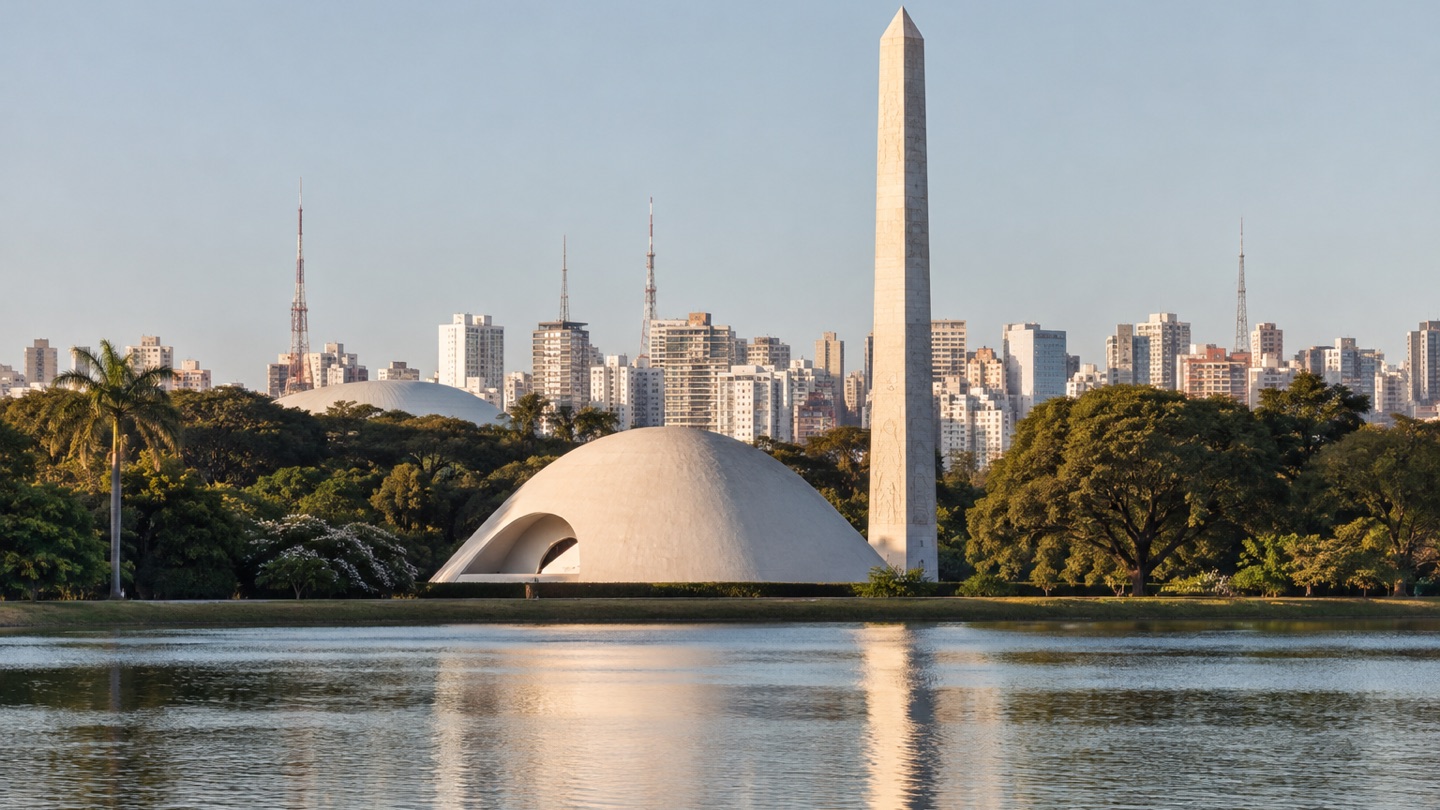
São Paulo is the commercial engine of Brazil and, by a wide margin, the most sophisticated place to eat on the continent. It is also enormous, unglamorous at first glance and almost entirely indifferent to tourism, which is precisely why it rewards a well planned visit. There is no single postcard view to collect here. What there is instead is an extraordinary restaurant culture, a serious art and design scene, Japanese and Italian and Lebanese communities that have shaped the food for a century, and a business district that quietly runs South America. This city does not reveal itself from a tour bus. It reveals itself neighborhood by neighborhood, with someone who knows which door to knock on.
The planning decision: business trip, dining trip, or a Brazilian gateway
Most São Paulo itineraries are one of three things. A working trip built around Faria Lima and Itaim Bibi, where the offices are and where traffic decides your whole day. A culinary and cultural trip, which is the reason discerning travelers now come deliberately rather than connecting through. Or a first stop in a longer Brazil itinerary, with Rio, Iguazu Falls or the Bahia coast to follow. The three want different bases and different amounts of time. Two nights is enough for a gateway stop. A dining trip deserves four.
A milder plateau climate than most of Brazil
São Paulo sits on a plateau, which keeps it cooler than visitors expect. April, May, September and October are the sweet spots, dry enough and comfortable. December through March is the wet season, with heavy afternoon rain that arrives fast and complicates traffic more than it complicates plans. June through August is the local winter, cool and gray at times but perfectly pleasant, and often the best value. Carnival empties the business city and fills the coastal ones, and the Formula 1 weekend in the second half of the year is the single event most likely to compress hotel inventory, so tell us your dates early.
Where to base, and how to deal with the traffic
Jardins is the right answer for most first visits: leafy, walkable by São Paulo standards, close to the best restaurants and the Rua Oscar Freire shopping. Itaim Bibi and Vila Olímpia sit closer to the financial district and suit working trips. Vila Madalena is the creative quarter and better for an evening than a base. Guarulhos handles international arrivals and can be forty five minutes or two hours from your hotel depending on the hour, which is not an exaggeration. Congonhas sits inside the city and handles the domestic shuttle to Rio, roughly an hour in the air. Traffic here is a planning input rather than an inconvenience, and the right answer is to cluster each day in one region of the city rather than crossing it twice.
Inside the energy, or insulated from it
Rosewood São Paulo, built into the restored Matarazzo maternity hospital complex, is the most interesting hotel to open in Brazil in years and pairs a garden campus with a serious art collection. Palácio Tangará sits inside Burle Marx park, which buys you quiet and green in a city with little of either. Fasano São Paulo is the enduring Jardins classic and still the most Paulistano choice. Four Seasons Hotel São Paulo at Nações Unidas serves the business corridor well. The decision here is really about whether you want to be inside the city's energy or insulated from it, and both are defensible.
When to begin
Three months is comfortable for hotels. The restaurants are the constraint: the city's most sought after tables open their books on their own schedules, often a month out, and the best of them fill within hours. We plan the dining calendar as a separate track and work it as each window opens. Race weekend and major trade fairs want six months.
Four experiences worth building the days around
- A dining sequence built deliberately across the city's registers, from a contemporary Brazilian tasting room to a century old Italian cantina in Bixiga to the Japanese Brazilian counters of Liberdade.
- MASP on Avenida Paulista, where the collection hangs on glass easels in the middle of the room, taken with a guide who can explain why that decision still matters.
- Mercado Municipal early in the morning, then the design showrooms and galleries of Jardins and Vila Madalena in the same half day.
- A helicopter transfer between the airport and the city on an arrival or departure day, which is a genuinely practical solution here rather than a novelty.
Who this trip suits
São Paulo suits serious eaters more than any other city in South America. It suits executives, private offices and anyone with business in Brazil, where being based correctly saves hours a day. It suits art, design and architecture travelers. It does not particularly suit young children, and it is not a beach or scenery destination, which is exactly why pairing it with the coast works so well.
When another plan may fit better
If you want beaches, landscape and the version of Brazil that appears in photographs, go to Rio de Janeiro and give São Paulo two nights on the way through. If you have a single week in South America and want scenery above all, Patagonia is the better use of it.
Plan it with one accountable advisor
Tell us whether this is work, food or a first look at Brazil, and we will set the neighborhood, the transfers and the restaurant calendar around it. Our executive and private office travel team handles working itineraries where the schedule moves, and our luxury leisure travel planning sets the sequence when Rio or the coast follows.