


Lima
A Capital That Earned Its Reputation at the Table
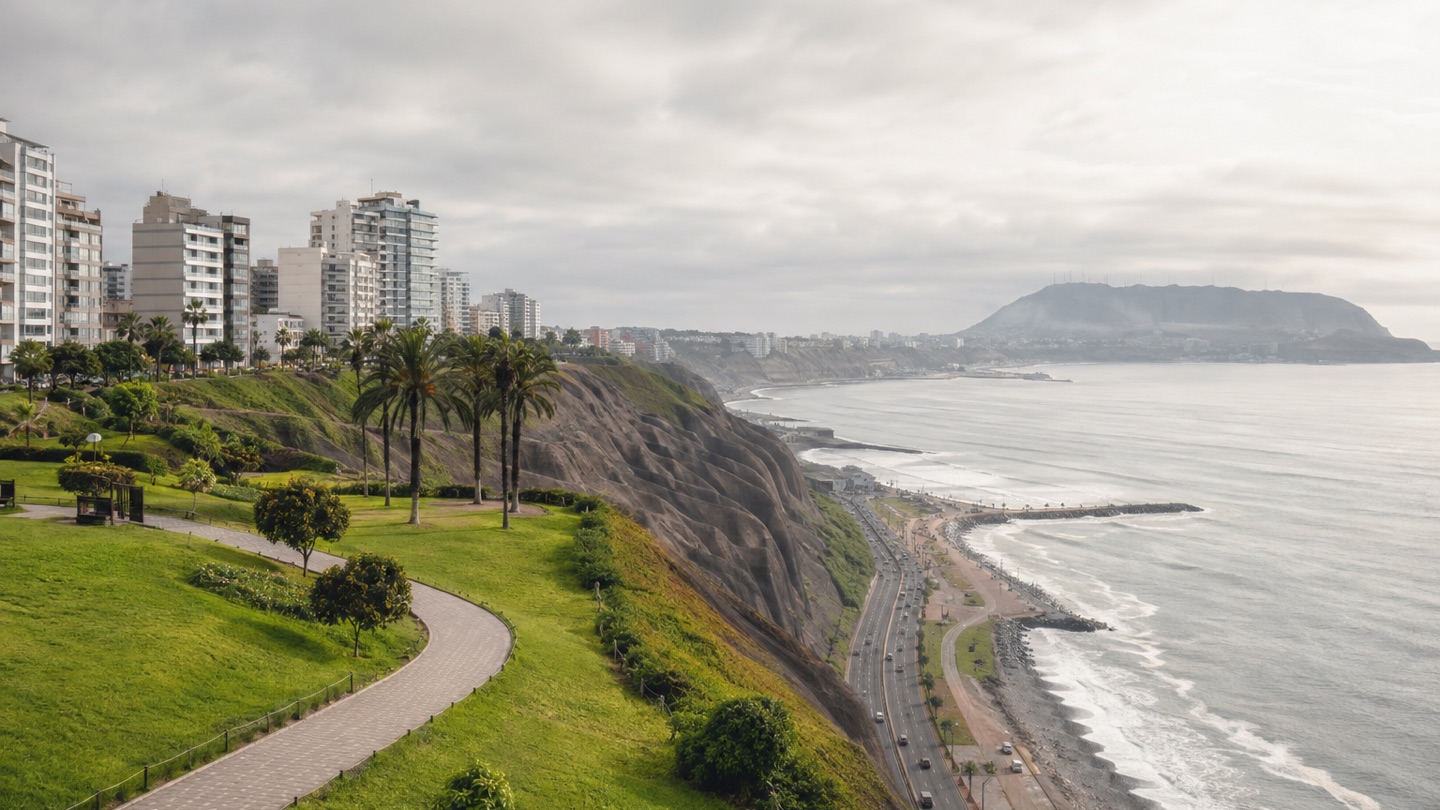
Lima was, for a long time, the city travelers passed through on the way to Machu Picchu. That is no longer a defensible plan. Peru's capital now holds several of the most significant restaurants in the world, built on an extraordinary larder that runs from Pacific seafood to Andean tubers to Amazonian fruit, and layered with Japanese and Chinese influences a century deep. The city itself is large, gray for much of the year and not conventionally pretty, but it sits on cliffs above the Pacific, it has colonial architecture and pre Columbian collections of real weight, and it is the necessary hinge of every Peruvian itinerary. Give it two or three nights and plan them properly.
The planning decision: altitude comes before everything
The single most important choice in a Peru itinerary is not which hotel in Lima. It is how you handle altitude. Cusco sits at roughly 11,150 feet and it affects most people on arrival. The Sacred Valley sits around 2,000 feet lower and is meaningfully more comfortable. The itineraries that work fly from Lima into Cusco and transfer straight down to the Sacred Valley for two nights, then move up to Cusco afterward, then to Machu Picchu, which sits lower again. The itineraries that go wrong put an ambitious first day in Cusco and lose it to headaches. That sequencing decision shapes the flights, the hotels and the number of nights, so we settle it before anything else.
Coastal fog below, dry season above
Lima has two faces. From roughly May through November the coast sits under the garúa, a persistent low fog that keeps the city cool and gray without much actual rain. From December through April it is sunny, warm and at its most appealing. The highlands run on a different and more important calendar: the dry season from May through September is the right time for Machu Picchu, the Sacred Valley and any trekking, while November through March is the wet season with cloud, mud and a real chance of losing your views. The Inca Trail closes each February for maintenance. Machu Picchu itself operates on timed entry with capacity limits and defined circuits, and popular slots sell out well in advance, so those permits are booked before flights are finalized.
Where to base, and how to route
Miraflores sits on the cliffs above the Pacific, is the easiest and safest area to walk, and holds most of the good hotels. San Isidro is the quieter, greener, more residential and more business oriented neighborhood next door. Barranco is the bohemian coastal district, the best for galleries and evenings, and increasingly the most interesting place to stay. Jorge Chávez International handles all international arrivals and sits north of the city, roughly forty minutes to Miraflores in fair traffic and considerably longer in bad. The flight to Cusco is about eighty minutes and runs frequently in the morning, which is when the weather cooperates. Give yourself a buffer night in Lima on the way home rather than connecting the same day from the mountains.
Cliff views, colonial rooms and what to book first
Belmond Miraflores Park sits directly on the clifftop with the best Pacific views in the city and a rooftop pool. Country Club Lima Hotel in San Isidro is the historic choice, a 1927 building with a serious Peruvian art collection on the walls. Hotel B in Barranco is a small restored mansion, the most characterful option and the right one if evenings matter more than views. For the rest of the country, the lodges of the Sacred Valley and the properties at Machu Picchu Pueblo are the more consequential bookings and should be secured first.
When to begin
Six months is the working answer for any Peru itinerary in the dry season, driven by Machu Picchu entry permits, the Hiram Bingham train and the small Sacred Valley properties rather than by Lima. If you want the Inca Trail specifically, permits are released well ahead and sell out months in advance, so that conversation happens even earlier. The Lima restaurants that draw international travelers open their reservations on fixed schedules and go quickly, and we work those windows as a separate track.
Four experiences worth building the days around
- A dining sequence across the city's registers, from a cliffside tasting room to a neighborhood cevichéria at lunch to a Nikkei counter in the evening.
- The Larco Museum, whose pre Columbian collection makes everything you later see in the Sacred Valley legible, taken with a guide.
- An early morning at Huaca Pucllana or the colonial center, before the traffic and the crowds, then lunch in Barranco.
- A cooking or market session with a local chef, which is the most useful hour of the whole trip for understanding Peruvian ingredients.
Who this trip suits
Lima suits food travelers unconditionally. It suits anyone going to Machu Picchu, which is to say almost everyone visiting Peru. It suits families with older children, particularly when the Sacred Valley and the Amazon follow. It suits archaeology and history travelers. It does not suit anyone hoping for beaches, and the Peruvian coast near the capital is not the reason to come.
When another plan may fit better
If altitude is a genuine medical concern, the Machu Picchu portion needs a frank conversation with your physician before we build anything, and there are Peruvian itineraries that stay low. If you want South American cities rather than ruins, Buenos Aires or São Paulo will serve you better. And if you want wilderness without the permit machinery, Patagonia is the freer trip.
Plan it with one accountable advisor
Send us your window and who is traveling, and we will start with the altitude sequence and the Machu Picchu permits, then build the flights, the lodges and the Lima nights around them. Our luxury leisure travel planning holds the whole Peruvian itinerary together, including the pieces that have to be committed early.
Continue Exploring