


Santiago
The Best Placed Capital in South America
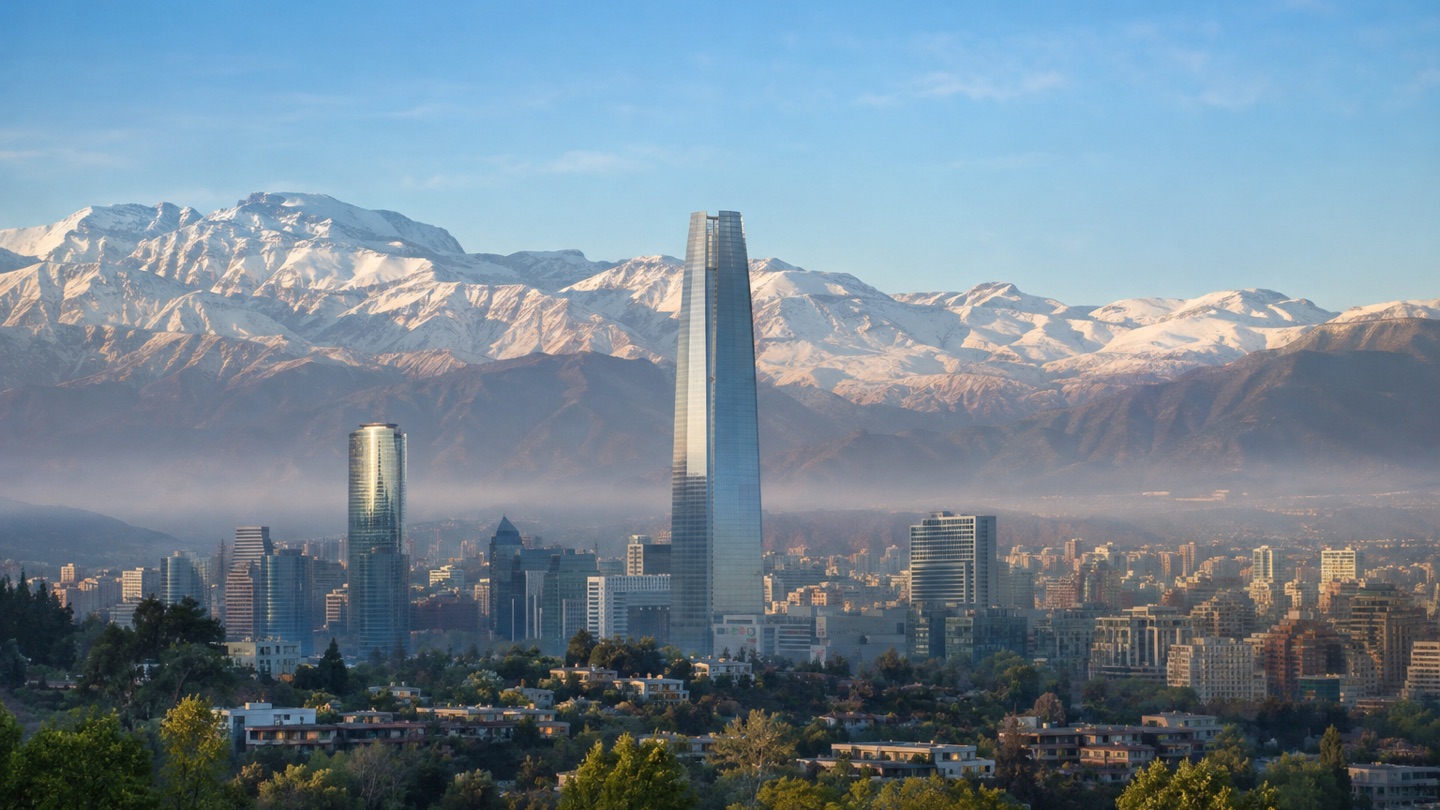
Santiago's advantage is geographic, and it is considerable. Chile's capital sits in a valley with the Andes on one side and the Pacific on the other, which means the vineyards of Maipo are under an hour away, Valparaíso and the coast are around ninety minutes, and the ski fields are close enough to reach before the lifts open. Add flights that put the Atacama Desert, Torres del Paine and Easter Island within reach, and Santiago becomes less a destination in its own right than the most useful hub on the continent. The city itself is modern, orderly and easy, and it repays two or three days rather than a week.
The planning decision: how many nights the city actually deserves
This is the question that matters most here, and the honest answer for most travelers is two, occasionally three. Santiago is comfortable and well run rather than romantic, and its real value is what surrounds it. The strong itineraries treat the city as bookends: a night or two on arrival to adjust, then wine country, the coast, the desert or Patagonia, then a final night before the flight home. Travelers who want a city holiday in South America are usually better served by Buenos Aires. Travelers who want landscape, wine and space are better served by exactly this arrangement.
Harvest, ski season and one honest caveat about winter air
The seasons run opposite to the northern hemisphere. Spring, from September to November, and autumn, from March to May, are the best windows, and autumn coincides with the grape harvest across the central valleys, which is a genuine reason to time a trip. December through February is hot, dry and bright, ideal for the coast and for Patagonia in the far south, and the city empties in February. June through August is the local winter, cool and wet at times, and the reason to come is the ski season at Valle Nevado and Portillo. One honest caveat: the valley traps air in winter, and Santiago's air quality is noticeably worse from roughly May through August, which matters if anyone in the party is sensitive to it.
Where to base, and how to route onward
Vitacura is the polished, residential, restaurant heavy quarter and the choice for most travelers. Las Condes is the business district, efficient and well connected. Lastarria and Bellas Artes sit in the historic center near the museums and are the most atmospheric on foot. Arturo Merino Benítez International handles everything and sits roughly half an hour from the eastern neighborhoods outside peak traffic. Onward, the flight to Calama for the Atacama runs about two hours, Punta Arenas for Torres del Paine roughly three and a half, and Easter Island about five and a half. Those internal flights are the backbone of any Chilean itinerary, and their schedules should be set before hotels are confirmed.
City nights, or a vineyard instead
The Singular Santiago in Lastarria is the most characterful choice, small and well run with a rooftop over the old city. Mandarin Oriental Santiago sits in the eastern business quarter with the largest grounds and pool in the city, which matters for families and for summer. W Santiago suits travelers who want energy and a scene in Las Condes. For a wine country night rather than a city one, the vineyard hotels of Colchagua and the Casablanca valley are a genuine alternative and often the better memory. The right answer depends on whether these nights are for recovery or for exploring.
When to begin
Three months covers the city and the wine valleys. Anything involving Torres del Paine, the Atacama lodges or Easter Island should be started six to nine months out, because those properties are small, seasonal and fill early, and the internal flights have limited capacity. Harvest season in March and April and the Patagonian summer are the two periods where late planning genuinely costs you options rather than just money.
Four experiences worth building the days around
- A day in the Maipo or Casablanca valleys with a private guide, tasting at two properties rather than four, with lunch built into the schedule.
- Valparaíso and the Pacific coast, with the funiculars, the street art and a seafood lunch, taken as a full day rather than a rushed morning.
- The Museo Chileno de Arte Precolombino, which is small, superb and the best single hour of context for anything you will see later in the Andes.
- A morning in the Andes above the city, hiking in the warm months or on the snow in winter, close enough that you are back for lunch.
Who this trip suits
Santiago suits wine travelers above all, and it suits anyone building a longer Chilean itinerary toward the desert or the far south. It suits families, because the city is safe, easy and outdoors oriented. It suits skiers looking for a northern hemisphere summer season. And it suits business travelers, for whom Chile's stability and infrastructure make it the easiest base in the region.
When another plan may fit better
If you want a great city as the trip itself, Buenos Aires is across the Andes and more rewarding on foot. If your real interest is the landscape, put the nights into Patagonia and treat Santiago as the connection it is. And travelers sensitive to air quality should avoid the deep winter months here.
Plan it with one accountable advisor
Tell us what follows Santiago, because that is what determines everything else, and we will build the internal flights, the lodges and the city nights as one sequence rather than as separate bookings. Our luxury leisure travel planning handles the routing, the timing and the parts of a Chilean itinerary that have to be held early.
Continue Exploring