

Shanghai Destination Guide

Two Skylines Facing Each Other Across a River
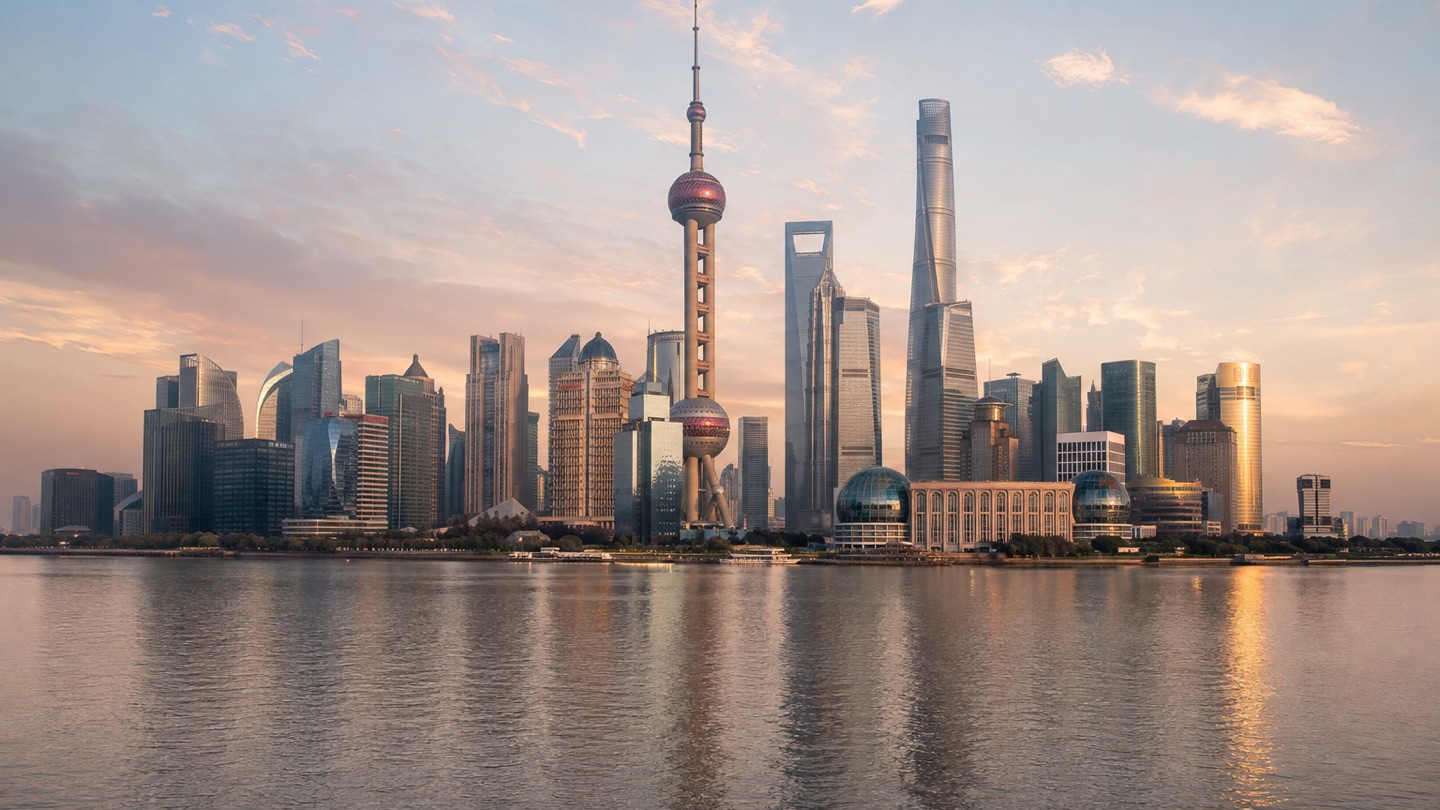
Stand on the Bund at dusk and the whole argument about modern China is laid out in front of you. Behind you is the Huangpu waterfront of the 1920s and 1930s, a row of banks and trading houses in stone that would not look out of place in London. In front of you, across a few hundred meters of water, is Pudong, which was farmland within living memory and is now one of the most dramatic skylines on earth. Shanghai is China's commercial capital and its most outward facing city, and where Beijing asks you to understand history, Shanghai asks you to keep up. It is also, by a distance, the easiest major Chinese city for a first visit.
The planning decision: how much of the Yangtze delta to include
Three or four nights covers Shanghai well. The real decision is what you attach. High speed rail makes the surrounding region genuinely accessible: Suzhou and its classical gardens are around half an hour, Hangzhou and the West Lake about an hour, Nanjing under ninety minutes, and Beijing roughly four and a half hours. The water towns of Zhujiajiao and Wuzhen are close by road. A week built as Shanghai plus Suzhou and Hangzhou is one of the most rewarding and least demanding itineraries in China, and it avoids the internal flying that tires people out.
Spring and autumn, and a summer to avoid
Late March through May and late September through November are the two windows, mild and clear, and autumn is the more reliable of the two. The spring brings the magnolias, the city's own flower, and green returning to the plane trees of the former French Concession. Summer from June through August is hot and heavily humid with a plum rain season in June and a genuine typhoon risk into September, and it is the least pleasant time to walk this city. Winter is cold, damp and gray rather than freezing, and much quieter, with decent hotel value. As in Beijing, Chinese New Year between late January and February and the October National Day week are the two periods that reshape prices and crowds across the country.
Where to base, and how the city divides
The Bund, in Huangpu on the west bank, is the classic base and puts you in the historic waterfront with the best views back at Pudong. The former French Concession is the more charming choice, low rise and tree lined with the boutiques, galleries and the best independent restaurants, and it is where most repeat visitors stay. Pudong, on the east bank, is modern, corporate and gives you the high floor views back at the Bund. Two international airports serve the city, Pudong and Hongqiao, and they are far apart, so confirm which one your flight and your onward rail connection use. Hongqiao also anchors the high speed rail network, which is exceptionally good and worth using over short flights.
High floors, heritage buildings and the concession alternative
The Peninsula Shanghai sits at the north end of the Bund in a building designed to match its neighbors, and it is the strongest combination of location and service in the city. Waldorf Astoria Shanghai on the Bund occupies the former Shanghai Club. Bulgari Hotel Shanghai sits north on the river beside a restored 1930s chamber of commerce building. In Pudong, the Four Seasons, Mandarin Oriental and the very high floor properties in the towers give you the view of the Bund rather than from it. Amanyangyun, on the outskirts, is a relocated Ming and Qing village rebuilt around a camphor forest and is a genuine alternative for the final nights.
When to begin
Four months for the spring and autumn windows. Visas are again the longest lead item and should be started before anything else. If a specific exhibition, art fair or a Formula 1 weekend is part of your reason for coming, tell us early, because the city's event calendar moves hotel rates sharply. Rail seats in the premium classes on the Beijing route sell out around holidays, so those are booked as soon as the schedule opens.
Four experiences worth building the days around
- The Bund walked at dawn and again after dark, since the two versions of that view are entirely different and both worth the time.
- The former French Concession explored slowly on foot with a guide, through the lane houses, the art deco architecture and the galleries.
- Suzhou by high speed rail for a day among the classical gardens, which are the finest surviving examples of a very particular Chinese art form.
- A dining sequence that runs from a Shanghainese institution to a modern Chinese tasting room, with the tables booked well before arrival.
Who this trip suits
Shanghai suits first time visitors to China, because it is the least demanding entry point and the most internationally legible city in the country. It suits art collectors and design travelers, since the gallery and fair scene here is now significant. It suits business travelers by definition. It suits families with children of most ages. And it suits anyone who wants China without the physical demands of a longer multi city tour.
When another plan may fit better
If imperial history is your reason for going to China, weight the trip toward Beijing and give Shanghai three nights. If you want traditional Asian aesthetics and quiet, Kyoto is the more satisfying trip. And travelers who want a fully English speaking, improvise as you go experience will find Singapore considerably easier.
Plan it with one accountable advisor
Tell us your dates and whether Beijing or the delta towns are part of it, and we will handle the visa timing, the rail seats, the guides and the hotel side of the river that suits your days. Our luxury leisure travel planning sets the full China sequence, and our executive and private office travel team covers working trips into the city.