


10 Group Trip Ideas for Every Travel Group
The best group trip ideas usually aren't about the destination first. They start with the group, who's traveling, what the trip needs to accomplish, how much togetherness people want, and where the friction will be. A bachelor party, a family reunion, and a leadership retreat can all fit in the same general category, but they need very different pacing, privacy, and support.
That's why the smartest planning begins with the operating model, not the postcard. If the trip needs room blocks, guest communications, transfers, activity sequencing, and last minute changes handled cleanly, a dedicated advisor such as JustKeeps Travel can centralize preferences and keep the whole thing moving without turning one host into a full time coordinator.
The list below is organized by purpose and logistics, so you can match the trip to the people, not force the people to match the trip. Some ideas work best when everyone shares most of the schedule. Others need split programming, privacy, or a strong on ground coordinator. Use the structure, not just the destination, to narrow the right fit.
Table of Contents
1. Destination Weddings and Milestone Celebrations
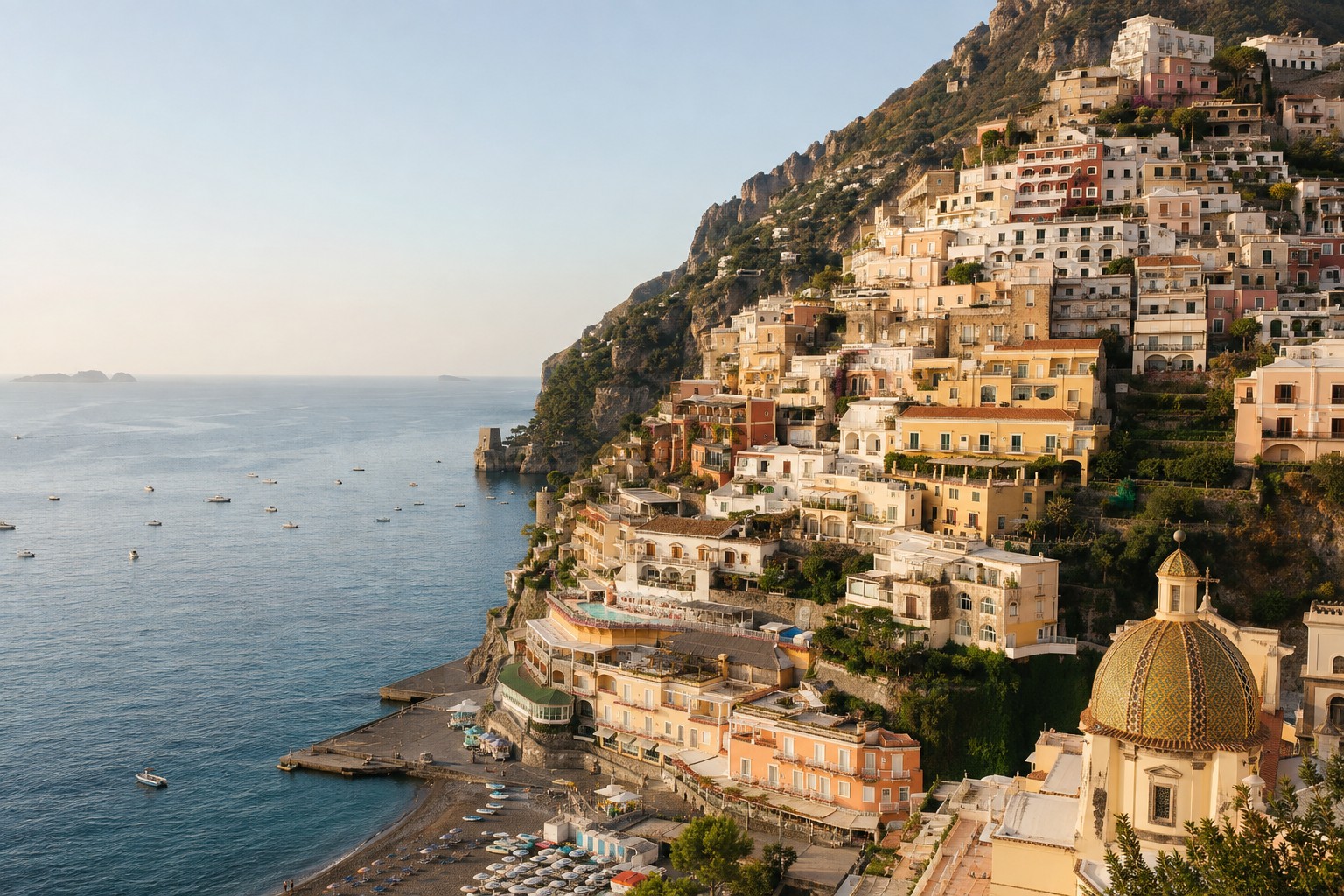
A destination wedding works when the event becomes a shared experience instead of a single ceremony with travel attached. Think intimate villas in the Amalfi Coast, a multi day anniversary renewal, or a bachelor or bachelorette itinerary that moves between a few cities. The destination matters, but the job is orchestrating arrivals, meals, events, and downtime so guests don't feel rushed.
Make the event feel easy for guests
Lock the venue and primary accommodations early, then build the rest around that anchor. Guests need a clean path from airport pickup to welcome drinks, rehearsal dinner, ceremony, and post event activities, without guessing where they're supposed to be.
A guest portal helps more than people expect. Include room assignments, dining notes, dress guidance, transport timing, and a simple FAQ so the host isn't answering the same question ten different ways.
Practical rule: The more moving parts a celebration has, the more value you get from a day of coordinator who can solve problems before the couple or host ever hears about them.
Budget control matters too. Build room for last minute vendor changes, dietary requests, and guest additions, because these trips often shift right up to departure. If you want a deeper planning framework for this type of trip, this destination wedding travel agency guide is a useful reference point.
2. Multi Family Group Vacations and Reunion Travel
Family reunions and friend group getaways work best when the accommodation itself supports mixed energy levels. A villa with separate bedrooms, a river cruise with built in structure, or a large house with shared common space can keep the group together without trapping everyone in the same activity rhythm. That matters when you've got toddlers, teenagers, grandparents, and couples all in one itinerary.
The biggest mistake is planning a vacation as if everyone wants the same holiday. In practice, one person wants long lunches, one wants early hikes, and one wants to sleep in after the group dinner. Good reunion travel makes room for all three.
Build the trip around shared anchors
Use a few fixed requirements, then let the rest flex.
- Shared meals: One dinner a day, or at least a few fixed group meals, gives the trip structure without overscheduling it.
- Optional excursions: Give early risers, kids, and solo travelers something to do while others rest.
- Clear billing rules: Decide whether costs are split evenly, by family, or by add ons before anyone books.
- Daily free time: A quiet hour or a half day break can save the tone of the whole trip.
A lead organizer should collect preferences early and keep a running planning document. That's especially useful when the trip includes a reunion theme, an alumni angle, or a family milestone celebration, because people respond better when they can see the plan instead of reacting to it.
3. Corporate Offsites and Leadership Retreats
Corporate offsites work when the destination supports focus, not distraction. A leadership retreat in Napa Valley or Miami Beach can feel luxurious, but the point is still agenda discipline, private breakout space, and enough flexibility for the executive team to handle real business. If the program is vague, the trip becomes expensive downtime.
The best offsites separate the "why" from the "where." Are you solving a strategy problem, resetting culture, training managers, or aligning a board? The answer changes the venue, the pace, and the room setup. A tech startup's working retreat needs different infrastructure than a nonprofit board session or a multi day sales kickoff.
Program design should feel intentional
Use the venue like a tool, not a backdrop. Clear session names, defined outcomes, and room flow matter because participants need to understand why they're in each space and what comes next.
Premium welcome touches help set tone without wasting time. Arrival gifts, a short orientation, and a clean transfer plan make the group feel managed from the first hour. For larger teams, book early and build in flexibility for leadership changes, travel delays, or late night calls that can't be predicted in advance.
Teams don't remember every slide deck. They remember whether the logistics got out of the way enough for the conversations to matter.
Activities should work across personalities and fitness levels. Golf alone is too narrow for many teams. Better options are chef led dinners, guided cultural outings, light adventure, or wellness sessions that let people participate at different intensity levels.
4. Incentive Travel and Reward Trips
Incentive travel works when it feels earned, exclusive, and visibly tied to performance. The best programs are short, polished, and easy to understand. A Caribbean resort, an African safari, a wellness retreat, or a multi country cultural journey can all fit the brief if the destination reflects the brand and the audience.
The planning challenge is not only the itinerary, it's the perception. Participants need to feel the trip was worth competing for, and leadership needs to feel the recognition supports motivation. That means the selection criteria, the communication, and the on trip experience all have to line up.
Keep the reward experience coherent
A strong incentive trip usually includes:
- Transparent qualification rules: Sales targets, service scores, tenure, or other criteria should be clear from the start.
- A destination that fits the audience: Climate, culture, and travel style matter as much as the hotel brand.
- A recognition moment: Leadership remarks, awards, and photos make the trip feel official.
- Room for spouses or partners: That can increase the perceived value and reduce friction at home.
- Activities with choice: Not everyone wants to do every excursion, and that's fine.
If the group is too large, split it into cohorts so the experience stays personal. The trip should feel like a reward, not a convention with nicer dinner service. For a planning focused resource, JustKeeps Travel's incentive travel planning guide is a practical starting point.
5. Alumni and Association Group Trips
Alumni and association travel succeeds when it reinforces belonging. A reunion itinerary for a university class, a professional association trip, or a fraternity or sorority weekend should feel like a continuation of the institution's story, not just a sightseeing package with a logo on it. People return because the trip connects them to each other and to the organization.
That connection gets stronger when the itinerary carries a theme. A law school alumni trip to legal history sites, an MBA reunion with a leadership forum, or a class year reunion built around the school's legacy gives the trip a reason to exist beyond the hotel and the transfers.
Use community as the planning engine
The strongest programs usually do a few things well. They build anticipation in a private online group, they invite respected alumni speakers or faculty, and they give travelers options so spouses or guests can participate without turning the whole trip into a closed event.
Flexible pricing matters here, because alumni groups rarely have one budget profile. Payment plans and tiered room options help people commit earlier. A pre trip orientation also helps because it answers the practical questions before they become complaints.
A good alumni trip isn't only about attendance. It's about reactivation, bringing dormant relationships back into the institution's orbit through a shared journey. That's why post trip surveys and directory updates are worth the effort. They extend the value after the return flight.
6. Executive and Senior Leadership Entourage Travel
Executive travel becomes a different category the moment business, family, and sensitivity sit in the same itinerary. A founder can be in New York for board meetings, then head to the Caribbean with family, then continue to San Francisco for investor dinners. That's not a vacation with a few meetings attached. It's a multi threaded operation.
The skill here is sequencing. The executive's calendar, the family's comfort, the assistant's visibility, and any security requirements all have to be mapped side by side. If one piece moves, the rest needs to move fast without creating noise.
Precision matters more than style
The most useful habit is building a schedule buffer around the business side of the trip. Market events, delayed flights, last minute calls, or a board change can easily compress the itinerary. A good advisor keeps enough slack in the plan to absorb that pressure without breaking the family portion of the trip.
Suite separation helps too. Executives often need one setup, families need another, and the two shouldn't compete for the same space. Security coordination should happen early, not after the hotel is booked.
The less the principal has to think about logistics, the better the trip works.
Real time communication is essential. WhatsApp or Signal support, direct access to the assistant, and concise pre trip briefing materials reduce mistakes. Menus, ground contacts, emergency numbers, and route details may sound basic, but in this category, basic is what preserves time and discretion.
7. Adventure and Expedition Group Trips
Adventure trips work for groups that want shared challenge without giving up comfort completely. East Africa safaris, Patagonia treks, New Zealand hiking routes, or expedition cruises in the Galápagos all depend on balance. If the itinerary is too soft, active travelers get bored. If it's too hard, half the group starts falling behind by day two.
The best adventure groups don't all need to move at the same speed every day. They need intelligent tiering. That means one participant can take the long hike, another can choose a scenic alternative, and everyone still meets up for dinner with something worth talking about.
Comfort and safety are part of the adventure
Remoteness should never mean carelessness. Quality linens, reliable hot water, solid meals, and experienced local guides matter more than people admit when they're booking an aspirational trip. The harder the physical environment, the more important it is to manage the basics.
You also need prep before departure. Fitness assessments, gear lists, rental coordination, and acclimatization days are not extras, they're the reason the trip stays enjoyable. For high altitude travel, the pacing has to respect the body, not the marketing copy.
The strongest expedition leaders give daily briefings with next day difficulty levels and timing. That reduces confusion and lowers the chance that one person accidentally signs up for a route that's beyond their readiness. It also keeps the group honest about how much intensity it can handle.
8. Wellness Retreats and Health Focused Group Travel
Wellness travel works when the group agrees on the definition of wellness before anyone packs a bag. For some groups, that means yoga and meditation in Bali or Costa Rica. For others, it means spa recovery, nutritional reset programming, or a life transition retreat with time for reflection and support. The trip fails when one person wants silence, another wants movement, and the schedule tries to satisfy both without making a decision.
The right retreat size is usually smaller than people expect. Intimate groups allow individual attention, better facilitation, and more trust inside the room. That matters if the retreat includes personal development, grief support, or a health focused program where participants may be carrying very different emotional loads.
Design for participation, not pressure
A good retreat offers graduated choices. Beginner and advanced classes should both exist, along with opt in activities and real downtime. Rest days are not wasted time, they're often the reason people leave feeling better than when they arrived.
The facilitator matters as much as the destination. A polished setting won't rescue a weak teacher, and a strong teacher can make a simple property feel remarkable. Pre trip guidance should also be practical, with packing notes, health questionnaires, and a clear idea of what the daily rhythm looks like.
If the schedule is too dense, people need a vacation from the retreat.
Post trip follow up helps the experience last. A group chat, a coaching session, or a reading list gives participants something to carry home instead of treating the retreat like a one off escape.
9. Touring and Production Group Travel for Artists and Entertainment Teams
Touring travel is one of the least forgiving forms of group coordination. An artist, a production crew, or a speaking tour can't treat flight timing as a suggestion. Venue dates, equipment, security, press appearances, and crew housing all have to line up, often across multiple cities and time zones.
The itinerary has to be built around immovable anchors. Show times, press calls, and venue load ins come first. Flights, hotels, and ground transport come second. Anything that gets that order wrong creates unnecessary risk.
Redundancy is part of the job
Equipment needs should be handled well before departure. If gear has to ship, rent, or clear a venue in a specific window, that process needs to be mapped against the travel schedule. Crew members also need detailed briefings so they know who is responsible for what when the group lands.
Accommodations matter more than most non industry travelers realize. Quiet access, correct room layouts, and reliable service can make or break a long run. Touring teams also benefit from direct communication with the same planner throughout, because fast changes are normal and silence causes delays.
For entertainment travel that needs confidentiality and sequence control, JustKeeps Travel's entertainment services page is the right kind of reference point.
10. Luxury Educational and Cultural Immersion Programs
Educational travel works best for groups that want to learn while still traveling well. Private access to museums in Italy, archaeology focused trips in Egypt, tea ceremony study in Japan, or cultural immersion in Peru all succeed when the learning is built into the itinerary instead of layered on top of sightseeing. The guide can't just narrate a city. They need to shape an experience.
These programs appeal to travelers who want context, not just images. That means pre trip reading, expert facilitation, and access that ordinary tours don't always secure. A small group also matters here, because the value comes from discussion, not crowd movement.
Build a real curriculum
A strong cultural trip has learning objectives. Participants should know whether they're exploring art history, archaeology, religion, cuisine, or local craft traditions. Once that's clear, the pacing, expert roster, and access choices become easier to design.
Optional workshops help keep the group engaged without forcing the same depth on everyone. One traveler may want a full seminar, another may prefer the museum visit plus dinner. That flexibility makes the trip feel rich instead of academic.
Food can teach too. Chef interactions, market visits, and local tasting menus deepen the trip in a way generic group dinners never do. Post trip resources, such as lecture notes or reading lists, extend the value after everyone comes home.
10 Point Comparison of Group Trip Types
| Model | 🔄 Implementation Complexity | ⚡ Resource Requirements | ⭐ Expected Outcomes / 📊 Impact | 💡 Ideal Use Cases | ⭐ Key Advantages |
|---|---|---|---|---|---|
| Destination Weddings & Milestone Celebrations | Very high, multi venue/vendor + guest logistics 🔄 | High, large budget, on ground staff, vendor contracts ⚡ | Very high, memorable shared experience; premium guest satisfaction 📊 | Multi day weddings, anniversaries, milestone ceremonies 💡 | Full control of aesthetic & experience; premium venue access ⭐ |
| Multi Family Group Vacations & Reunion Travel | Medium to high, coordinating families, schedules, split itineraries 🔄 | Medium, villa/resort blocks, concierge, consolidated billing ⚡ | Strong, cost savings per person; high bonding impact 📊 | Extended family villas, multi gen beach weeks, reunions 💡 | Economies of scale; simplified planning; flexible activity tiers ⭐ |
| Corporate Offsites & Leadership Retreats | High, stakeholder alignment, program design, A/V needs 🔄 | High, meeting spaces, speakers, tech, premium F&B ⚡ | High, improved cohesion, strategic alignment; ROI sensitive 📊 | Strategy sessions, leadership development, sales kick offs 💡 | Customized programming; venue partnerships; measurable outcomes ⭐ |
| Incentive Travel & Reward Trips | Medium to high, large groups + recognition logistics 🔄 | Very high, luxury inventory, awards events, cohort management ⚡ | High, motivation/retention boost; strong internal PR potential 📊 | Top performer rewards, sales incentives, partner recognition 💡 | Powerful morale driver; exclusive experiences; social proof ⭐ |
| Alumni & Association Group Trips | Medium, cohort segmentation, liability & scheduling 🔄 | Medium, speakers, branded communications, insurance ⚡ | Moderate to high, strengthened affinity; repeat bookings likely 📊 | Alumni reunions, association trips, cohort travel programs 💡 | Built in audience; networking + fundraising opportunities ⭐ |
| Executive & Senior Leadership Entourage Travel | Very high, sensitive routing, security, multi assistant coordination 🔄 | Very high, security, dedicated staff, flexibility buffers ⚡ | High, preserved productivity & privacy; minimal disruption 📊 | Senior executive multi city business/leisure blends, investor lanes 💡 | Discretion, time optimization, white glove responsiveness ⭐ |
| Adventure & Expedition Group Trips | High, safety protocols, permits, specialist logistics 🔄 | High, expert guides, gear, remote support, permits ⚡ | Very high, transformative experiences; strong NPS & repeat 📊 | Safaris, trekking, polar/remote expeditions, active challenges 💡 | Authentic immersion; expert led access; small group intimacy ⭐ |
| Wellness Retreats & Health Focused Group Travel | Medium, programming + individual health accommodations 🔄 | Medium to high, wellness practitioners, spa facilities, menus ⚡ | High, wellbeing outcomes; habit formation potential 📊 | Yoga/meditation, detox, longevity, therapeutic group retreats 💡 | Structured transformation; supportive community; measurable satisfaction ⭐ |
| Touring & Production Group Travel (Artists & Entertainment) | Very high, time critical routing, equipment & crew sync 🔄 | Very high, cargo logistics, production crew, security ⚡ | Critical, show continuity; revenue/professional reputation at stake 📊 | Concert tours, film crews, award season talent logistics 💡 | Time precision; production expertise; security protocols ⭐ |
| Luxury Educational & Cultural Immersion Programs | Medium to high, expert curation & exclusive access negotiations 🔄 | High, academic partners, special permits, small group logistics ⚡ | High, deep learning, lasting engagement; niche repeat demand 📊 | Art history tours, archaeology expeditions, curator led trips 💡 | Exclusive access; expert facilitation; transformative cultural depth ⭐ |
Choose the Trip That Fits Your Group
The best group trip ideas are the ones that match the group's purpose, not just the most attractive destination on the list. Start by identifying why the group is traveling, how much structure it wants, and where the biggest friction points will be. A family reunion, an incentive trip, a leadership retreat, and a touring program all need different answers to the same practical questions.
Before you commit, compare the destination, accommodation format, activity intensity, free time, privacy needs, and contingency support. Mixed age groups usually need more flexibility. Executive and production travel usually need tighter sequencing. Wellness and educational travel usually need smaller groups and more curated facilitation. Destination celebrations sit somewhere in between, because they combine emotion, logistics, and guest experience all at once.
Accessibility, dietary needs, transfer timing, and room configuration should be part of the first planning brief, not a late stage cleanup task. If a trip has many moving parts, the person organizing it should write down the dates, approximate group size, deal breakers, and what absolutely can't go wrong. That short brief makes it much easier to judge whether the trip is realistic before deposits and contracts lock in the wrong shape.
For travelers planning a complex or high touch journey, a bespoke advisor can make the difference between a smooth trip and a stressful one. JustKeeps Travel is built for end to end coordination, including guest by guest management, preferred access, and on trip support when plans change.
If you're planning a group journey that needs room blocks, transfers, activity coordination, or guest by guest handling, JustKeeps Travel can build it from scratch and keep it organized from first inquiry to return home. Visit JustKeeps Travel to discuss a destination wedding, reunion, corporate retreat, incentive trip, or entertainment itinerary that needs careful coordination.
How many people makes it a group trip?
Around ten is where the work changes shape. Below that it is a private trip with extra rooms. Above it you are into contracts, room blocks and a manifest, which is a different job with different lead times.
How far ahead should a group trip be booked?
Nine to twelve months for a destination wedding or a peak season week in Europe, because the houses and the good room blocks go first. Six months works in most other cases, and shorter is often still possible.
Should everyone stay in one property?
Not always. Above roughly sixteen people you are usually trading room quality for the idea of togetherness. Two properties close together often gives a better week, because the group eats together either way.
Who pays, and how is that handled?
Whatever you decide, as long as it is decided early. Guests paying their own rooms, a host covering some elements, or one bill for everything all work. Problems come from leaving it unclear until the invoices arrive.