

Paris Is Always a Good Idea: Culture, Couture & Secrets of the City of Light

Paris has a talent for making a well planned day feel spontaneous. The city rewards a little structure, then asks you to leave room for a lingering lunch, a turn down a quieter street, or that moment when the Seine catches the last light. For a first visit or a return with fresh purpose, it is still one of the world’s most satisfying places to spend a long weekend.
Start on the Left Bank
Saint-Germain-des-Prés gives the trip a gracious first chapter. Its bookshops, galleries, and café tables make it easy to settle into Paris rather than rush through it. Hotel Baume is a natural base for travelers who like the neighborhood’s Art Deco mood and want the Luxembourg Gardens, the river, and the galleries of the Left Bank within an easy walk.
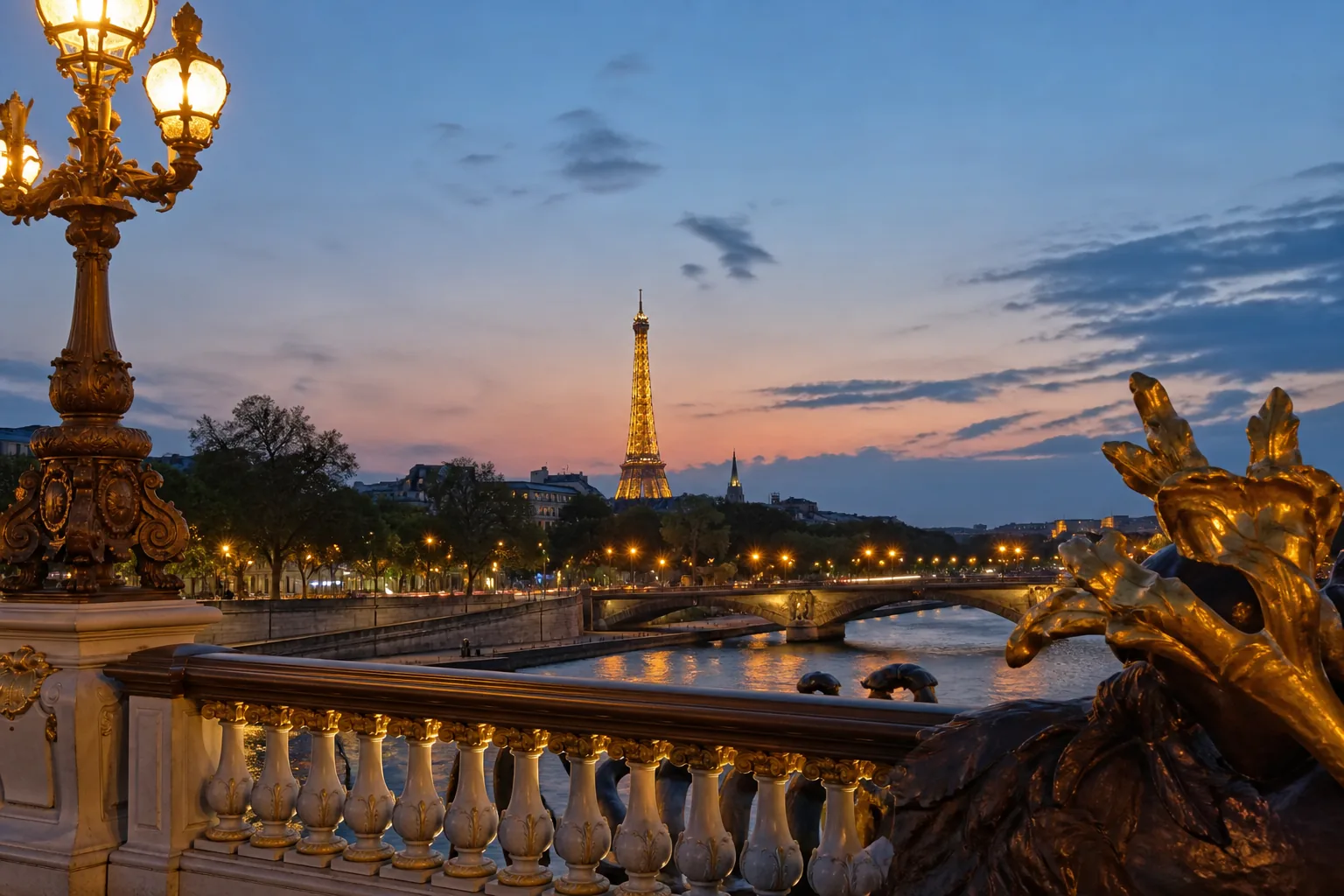
Keep the first afternoon deliberately light. Take the long way through the Tuileries, cross toward the Grand Palais, then linger on Pont Alexandre III as the city shifts toward evening. Paris looks especially composed at this hour, when the river turns silvery and the lamps begin to take over.
Couture with context
La Galerie Dior is a fine place to understand why fashion remains part of Paris’s cultural grammar. The presentation at 30 Avenue Montaigne moves through the house’s history with original designs, sketches, and the handiwork behind them. Reserve in advance, travel light, and allow time afterward for the avenue rather than stacking another museum immediately on top of it.
The best luxury itineraries make room for this kind of pause. A private guide can add useful context, arrange a visit around a broader shopping or design day, and protect the rhythm of the schedule when traffic, appointments, or weather change.
Table for two, then a later night
For dinner, choose the room for the mood you want. Café Beaubourg remains an easy, central place to watch the city move through the Centre Pompidou quarter. Le Procope brings more history and a more traditional Left Bank setting. In the Marais, let the evening be less choreographed: browse, stop for an aperitif, and accept that the best table may be the one you find after a slow walk.
If the night calls for more theater, Paris has its own after dark rituals. Hôtel Costes has long been an atmospheric address for a drink, while Silencio and Matignon are names to approach through current reservations and local contacts. Availability and door policies change, so an advisor’s value is often in confirming what is actually possible on the night, not merely adding a famous name to the plan.
Art, gardens, and the city’s quieter notes
Give the Louvre and Musée d’Orsay their own time rather than treating either as a checklist. Fondation Louis Vuitton is worth considering when its current exhibition fits your interests, especially if you want architecture and contemporary art in the same afternoon. The Jardin du Luxembourg offers a welcome change of pace, with chairs, gravel paths, and enough room to let the itinerary breathe.
Notre Dame has returned to the center of a Paris visit, though the surrounding area continues to evolve. Confirm access arrangements close to travel, then pair the cathedral with a walk across Île Saint-Louis or along the Left Bank. The city is at its best when a major landmark leads to a smaller discovery.
A Paris itinerary should have margin
Mary Jo Shore’s Paris is not about fitting every institution into a single weekend. It is about choosing a few strong addresses, leaving space between them, and understanding that the city’s pleasures often happen outside the reservation: a window display on Avenue Montaigne, a table that becomes dinner, a bridge at blue hour.
For a Paris journey shaped around personal interests, preferred hotels, dining, and advance access, speak with Justkeeps Travel. The right itinerary is precise where it needs to be and pleasantly open everywhere else. Read Mary Jo Shore’s original Paris story on Miami Socialholic.
How many nights are enough for a first Paris visit?
Four nights is a useful foundation for a first stay: enough for one museum morning, a neighborhood day, a meal led evening, and room for the city to surprise you. A long weekend can work, but it should be edited rather than packed.
Which Paris neighborhood makes the best base?
Saint-Germain suits travelers who want the Left Bank, galleries, gardens, and an easy evening walk. The Marais brings more energy and design, while the 1st is convenient for major sights. Choose for the evenings you want, not only the landmarks nearby.
When is the best time to visit Paris?
Spring and early autumn are popular for comfortable walking and outdoor dining, while winter can bring a more intimate rhythm and strong cultural programming. Summer has long light and high demand. Any season works better when the itinerary leaves room for weather and reservations.
Do Paris museums and restaurants need advance reservations?
The most sought after museums, small counters, special exhibitions, and destination restaurants often do. Reserve the few experiences that define the trip, then keep neighboring time open for a walk, shopping, or a second choice rather than scheduling every hour.
What should you do on a luxury trip to Paris?
Start on the Left Bank in Saint Germain, with its bookshops, galleries and café tables. Reserve La Galerie Dior at 30 Avenue Montaigne in advance. Keep the first afternoon light with a walk through the Tuileries toward Pont Alexandre III as evening falls. Read our Paris guide and pair it with Champagne.