

A First-Time Guide to Japan During Cherry Blossom Season

Planning Around the Bloom
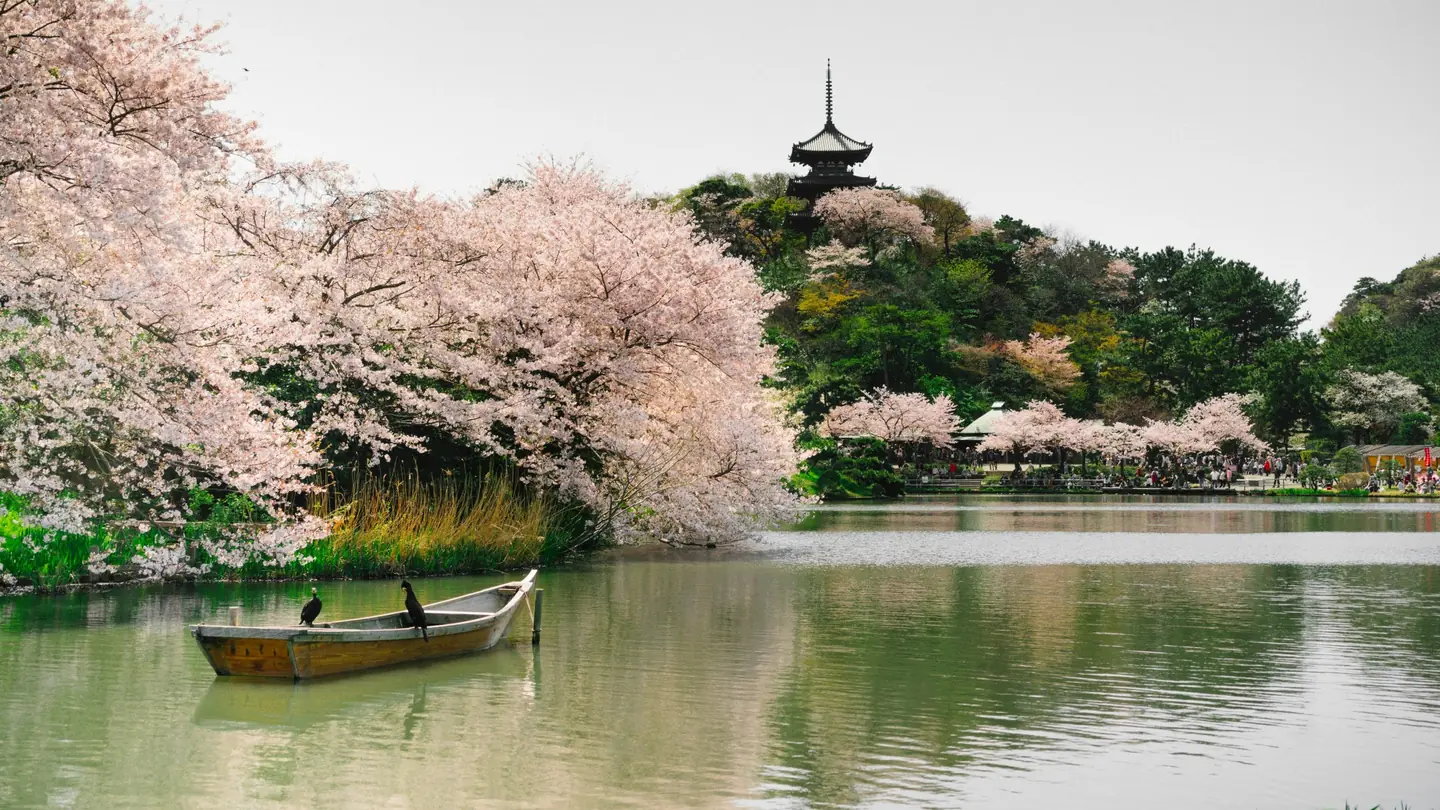
Cherry blossom season transforms parks, temples, riverbanks, and castle grounds across Japan for roughly two to three weeks each spring, though the exact window depends on region, elevation, and that year's winter weather. For a first-time visitor, the challenge isn't finding blossoms, which are everywhere during peak bloom. It's timing the trip closely enough to catch full bloom in the specific cities on the itinerary, since Kyoto and Tokyo don't always peak on the same day.
This guide covers realistic timing by region, the specific spots worth prioritizing in Kyoto and Tokyo, and the cultural experiences that round out a trip built around more than blossoms alone. Justkeeps Travel builds these itineraries with enough built-in flexibility to adjust as forecasts firm up closer to departure, which is covered further down.
When Is the Best Time to See Cherry Blossoms?
Bloom dates move year to year, sometimes by a week or more, so treat the ranges below as a planning guide rather than a fixed date to book against. The Japan Meteorological Corporation and several other forecasters publish updated predictions starting in January, with more reliable short-range forecasts available about three weeks before bloom.
Typical flowering windows:
- Tokyo: late March to early April
- Kyoto: late March to early April, sometimes a few days behind Tokyo
- Osaka: late March to early April, roughly in line with Kyoto
- Kanazawa: early April
- Hokkaido: late April into early May, given the colder northern climate
Because Tokyo and Kyoto can peak within days of each other but not always the same week, a trip that includes both cities benefits from a few days of slack in the middle of the itinerary rather than a tight back-to-back schedule.
Kyoto: Traditional Japan in Bloom
Kyoto's blossom viewing works best when it's paired with the city's older architecture, since the two together are what make the season here distinct from anywhere else in Japan.
- Philosopher's Path: a canalside walking route lined with hundreds of cherry trees, generally quieter in early morning before tour groups arrive
- Maruyama Park: home to a large weeping cherry tree that's illuminated at night during peak bloom, one of the more atmospheric evening viewing spots in the city
- Kiyomizudera Temple: blossoms frame the temple's wooden terrace, with particularly good views from the pagoda looking back toward the main hall
- Arashiyama: the bamboo grove draws the crowds, but the Togetsukyo Bridge area along the river is where the cherry blossoms are best seen
- Heian Shrine Gardens: a less crowded option with weeping cherry trees reflected in the shrine's ponds, worth the entry fee for the relative quiet alone
A private guide in Kyoto is genuinely useful during this season specifically, since the difference between arriving at a site at 7 AM versus 10 AM during peak bloom can mean the difference between an empty path and a crowd. A good guide will also know which smaller temples and neighborhoods, the ones without a name recognizable from guidebooks, are worth the detour that week.
Tokyo: Parks, Culture, and Modern Energy
Tokyo's blossom spots tend to be more urban and more crowded than Kyoto's, but they offer a different kind of contrast: city skyline against blossoms rather than temple architecture against blossoms.
- Ueno Park: one of the most popular spots in the city, with over a thousand trees; go early or expect genuine crowds, including groups picnicking under the trees from midmorning on
- Shinjuku Gyoen: a large, well-maintained garden with over a thousand trees and a mix of early-, mid-, and late-blooming varieties, which extends the viewing window if timing is tight
- Chidorigafuchi: a moat near the Imperial Palace where you can rent a rowboat and view the blossoms from the water, one of the more distinctive vantage points in the city
- Meguro River: a canal lined with cherry trees and lanterns for evening viewing, with cafes and small bars along the route, popular in the evening rather than during the day
- Imperial Palace Gardens: quieter than Ueno or Shinjuku Gyoen and worth combining with a walk through the surrounding grounds
Beyond the blossoms, Tokyo's usual strengths (dining, museums, and neighborhood hopping) are unaffected by season and worth building into any itinerary that includes the city.
Experience Japanese Culture Beyond Sakura
Cherry blossom season is also a natural entry point into experiences that are worth doing on any trip to Japan, but that pair particularly well with the season's reflective mood:
- A traditional tea ceremony, ideally at a smaller, less touristic tea house rather than a large-scale demonstration
- Kaiseki dining, a multicourse meal built around seasonal ingredients, which during spring often features sakura-themed dishes and confections
- A kimono rental for a day of temple visits, widely available in Kyoto and worth it for the photos alone
- A calligraphy workshop, generally a couple of hours, good for a lower-energy afternoon between busier days
- Private cultural guides who can explain the history and etiquette behind sites that would otherwise just be scenic backdrops
- Traditional Japanese gardens outside the main blossom spots, many of which are less crowded and equally photogenic
- Local food markets, such as Kyoto's Nishiki Market, for a more grounded sense of daily life alongside planned experiences
Essential Travel Tips for First-Time Visitors
- Book flights and hotels as early as six to nine months ahead for peak bloom weeks; Kyoto in particular sells out well before the exact bloom dates are confirmed.
- Track forecasts starting in January, with more reliable predictions available roughly three weeks before bloom; be prepared to shift plans by a few days if needed.
- Visit major viewing spots before 8 AM if possible; by midmorning, the well-known locations are crowded.
- Wear comfortable, broken-in walking shoes. Temple visits and park walks add up to significant daily distances.
- Purchase travel insurance that covers trip cancellation, useful given how weather-dependent bloom timing can be.
- Use the Japan Rail network for intercity travel; the Shinkansen between Tokyo and Kyoto takes around two and a half hours and is more comfortable and reliable than driving.
Why Plan Your Japan Journey with Justkeeps Travel
A spring trip to Japan involves coordinating more than the usual flights and hotels. It means building an itinerary flexible enough to respond to a forecast that isn't fully reliable until a few weeks out, while still securing accommodation and reservations that need to be locked in months in advance.
Justkeeps Travel typically arranges:
- Luxury hotel bookings secured well ahead of peak season demand
- Private guides for Kyoto and Tokyo who know the timing and quieter alternatives to the main viewing spots
- Rail travel and intercity transfers planned around the itinerary
- Cultural experiences, from tea ceremonies to kaiseki dining, matched to your interests
- Fine dining reservations, which in Japan often need to be made weeks or months ahead
- Concierge support throughout the trip, including adjusting plans if bloom timing shifts
Leave Room for the Unplanned
The specific things people remember from a sakura trip tend to be small and unplanned: a quiet path before the crowds arrive, a conversation with a shopkeeper, a picnic under a tree that happened to be at full bloom that exact afternoon. A good itinerary makes room for those moments rather than scheduling every hour, which matters even more during a season this time-sensitive.
A first trip to Japan during cherry blossom season rewards preparation without overplanning: book accommodation early, track the forecast as it firms up, and leave enough flexibility in the schedule to shift a day or two if bloom timing moves. Kyoto's temples and Tokyo's parks each offer a different version of the season, and pairing them with tea ceremonies, kaiseki dining, or a quiet garden away from the main crowds rounds out a trip that isn't only about the blossoms.
Ready to Experience Japan in Cherry Blossom Season?
Let Justkeeps Travel design a spring itinerary built around Japan's best blossom viewing, with the flexibility to adjust as forecasts develop. From luxury accommodation and private guides to rail travel and cultural experiences, our advisors handle the coordination so your trip fits the season as it actually unfolds.
Inquire today to start planning your trip to Japan.
Continue with our Kyoto destination guide and Aman Tokyo review. Our luxury leisure travel planning coordinates the cities, rail, hotels, private guides, and the narrow seasonal calendar.
How far ahead should we book a cherry blossom trip to Japan?
For peak weeks, start with the hotel and long-haul flights roughly six to nine months ahead when possible. Forecasts are not precise that far out, so build flexibility into the route rather than waiting for a perfect bloom prediction.
How should we divide time between Tokyo and Kyoto?
A first trip often benefits from at least three nights in each, with additional time if you want a slower regional chapter. Kyoto rewards early starts and neighborhood pacing, while Tokyo needs editing by interest rather than a race across the map.
What happens if the blossoms peak earlier than expected?
Keep the itinerary geographically flexible and identify several viewing areas rather than one single tree-lined promise. Gardens, temple grounds, river paths, and neighborhood parks can all be beautiful at different stages of the season.
Should we buy a Japan Rail Pass for a cherry blossom trip?
Do not assume a pass is automatically best. Compare the actual long-distance routes, seat reservations, and luggage needs before buying, especially when the itinerary is limited to Tokyo and Kyoto or includes a flight.
When is cherry blossom season in Japan?
The blossoms last roughly two to three weeks each spring, and the dates move year to year. Tokyo, Kyoto and Osaka usually bloom from late March to early April. Kanazawa follows in early April, and Hokkaido runs from late April into early May. Plan the trip with our Kyoto and Tokyo guides.